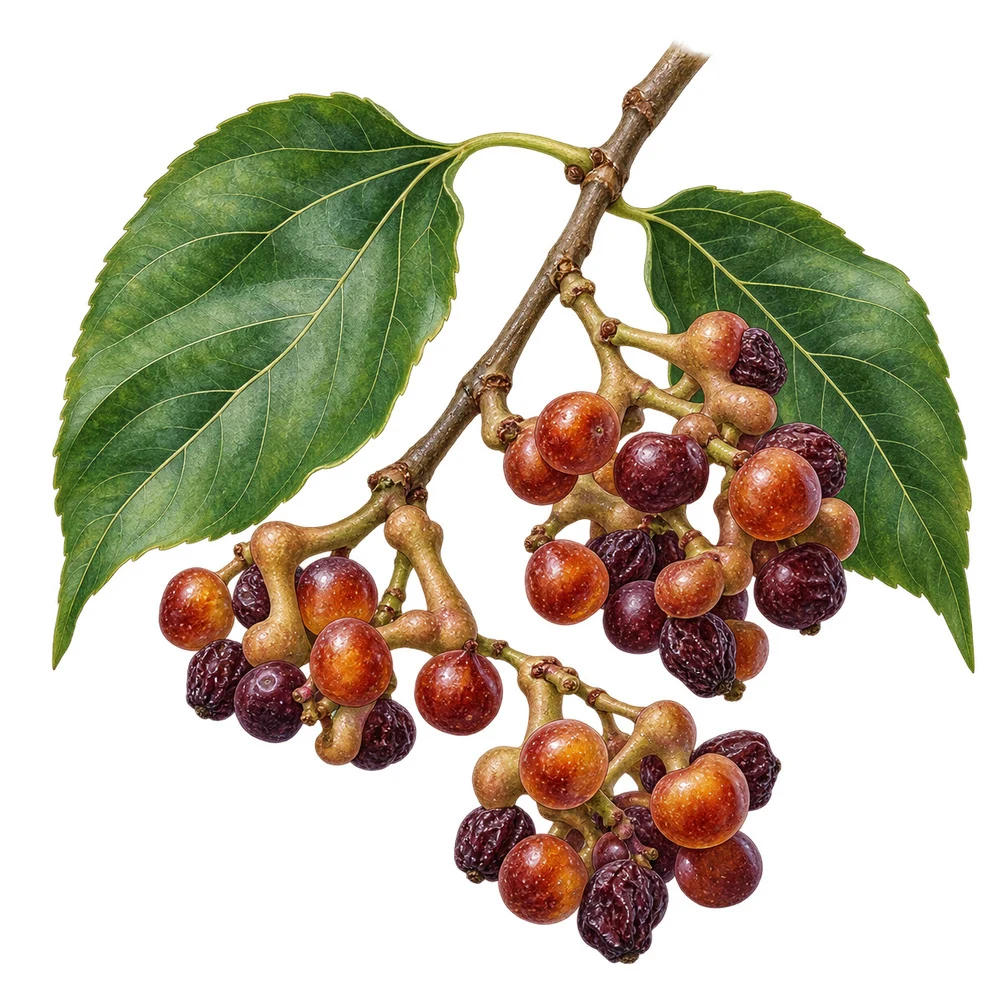
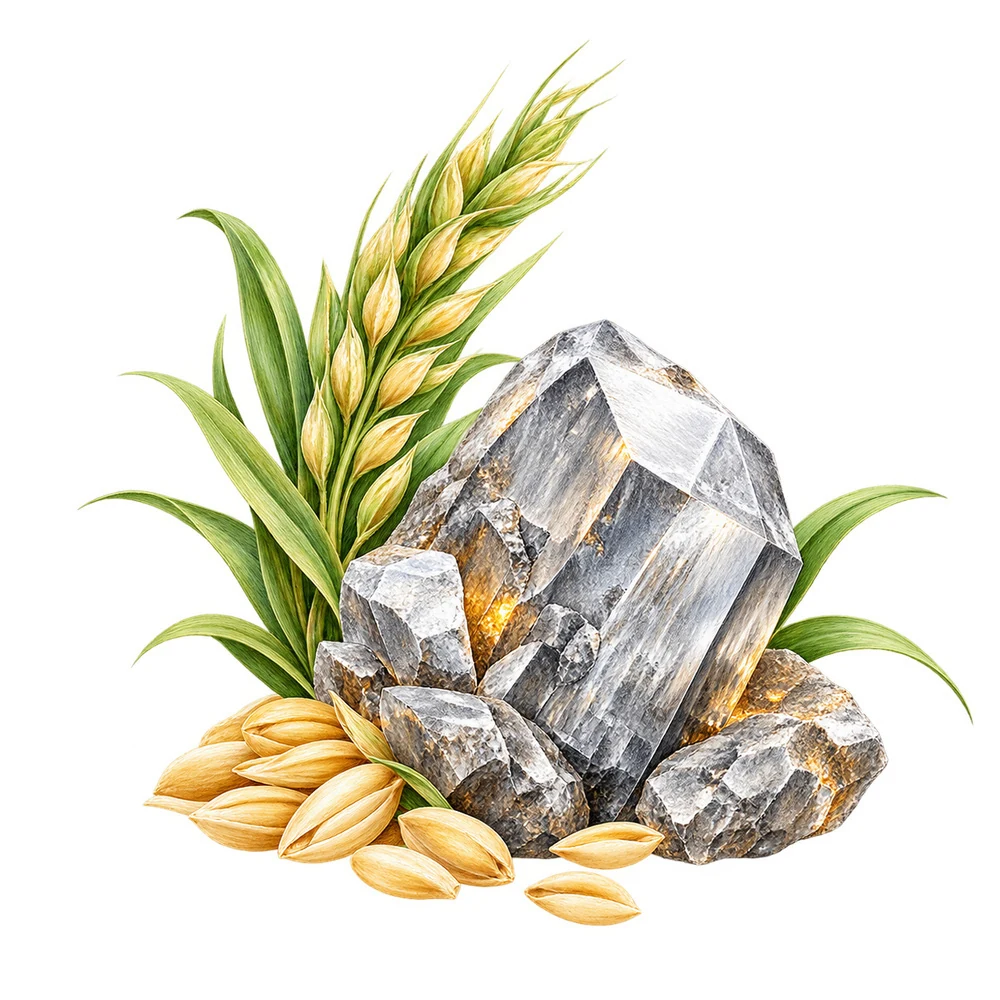
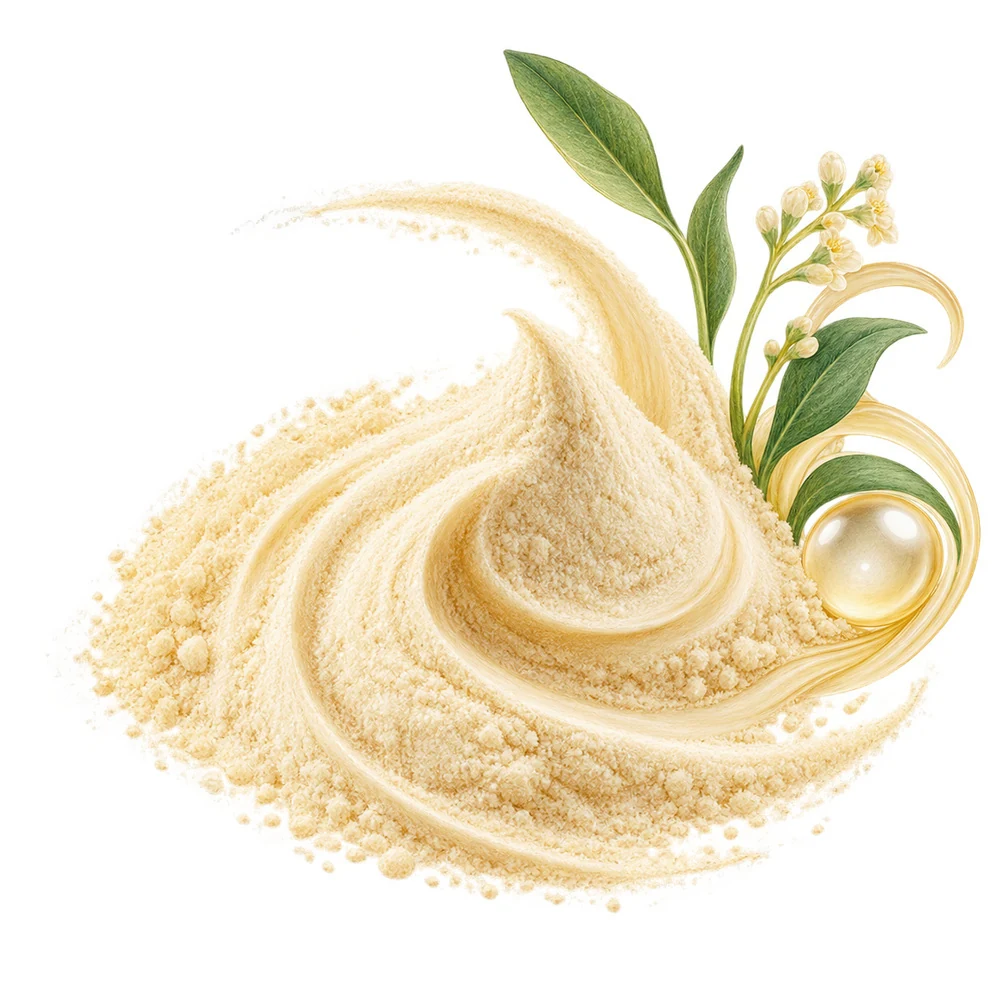
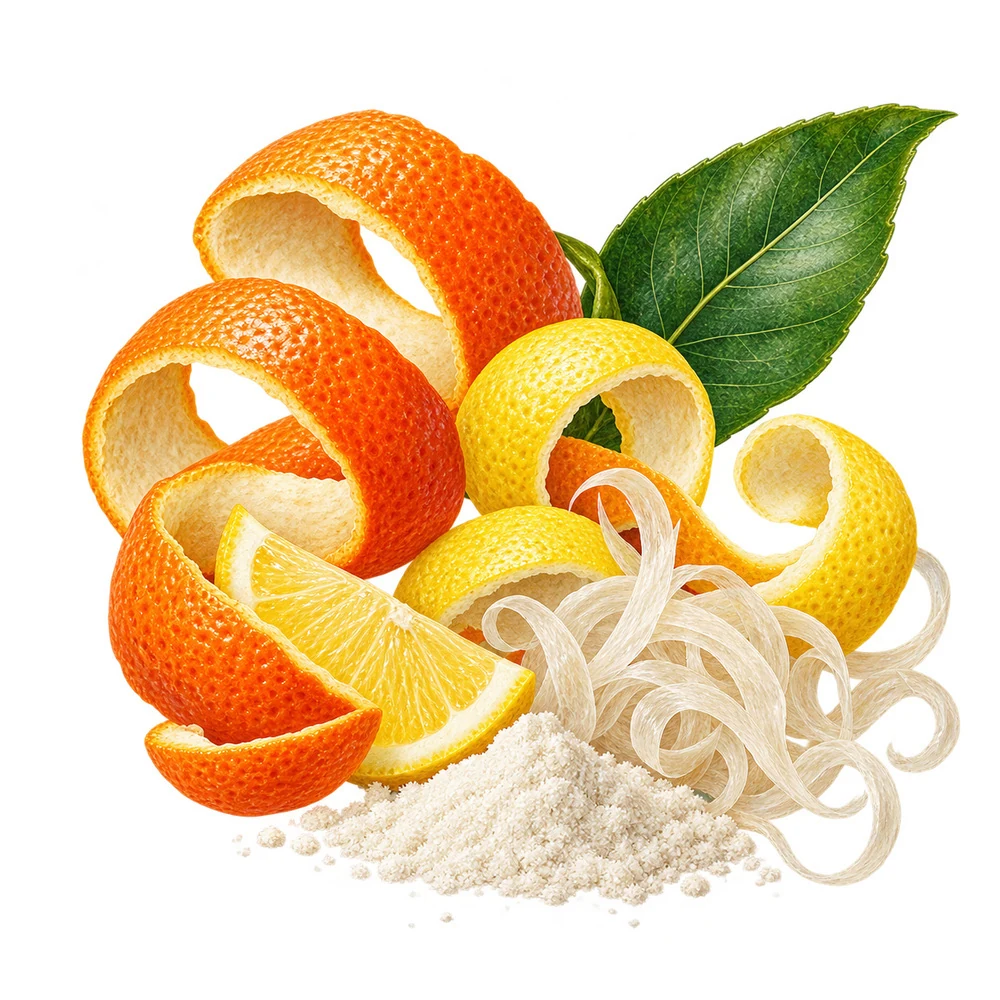
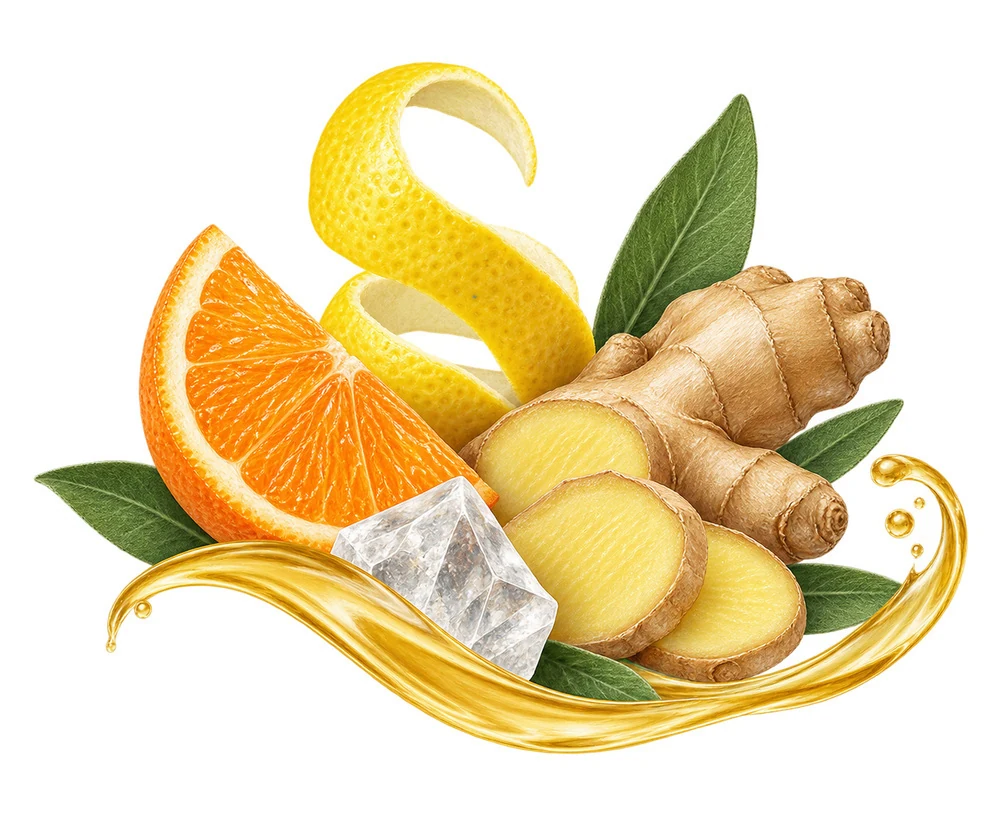
Hovenia dulcis is a fruiting tree with a long history in East Asian botanical traditions. This profile describes its fruit extract.
WHY IT'S HERE
Hovenia fruit extracts contain plant compounds investigated for antioxidant activity and inflammatory responses. Human evidence is limited to small, extract-specific studies; it does not establish a consistent recovery benefit or protection from alcohol.
THE SHORT VERSION
Potential antioxidant activity; meaningful human benefits remain uncertain.
From the current OVERT ingredient guide. Ingredient reference information; check the current product label for inclusion, amounts, directions and warnings. Research on an ingredient does not establish the effects of a finished OVERT formula.
Findings are preliminary and specific to the tested extracts, doses and participants. These studies do not establish that
OVERT prevents hangovers or protects against alcohol-related harm.
Twenty-six men with a specific ALDH2 genotype received 2,460 mg fruit extract or placebo with alcohol. Some later symptom measures favoured the extract; peak alcohol and acetaldehyde measures did not differ between groups.
Thirty adults participated in crossover testing of Hovenia fruit-extract beverages, alone or with other ingredients. Certain blood-alcohol measurements differed from placebo; the beverage compositions cannot be assumed equivalent to another extract or finished product.
RESEARCH IN CONTEXT
Ingredient studies do not establish the effects of the finished OVERT formulas.
Forms, doses and study populations may differ. Technical sources describe identity or function.
Source links are clickable in the digital guide.
04
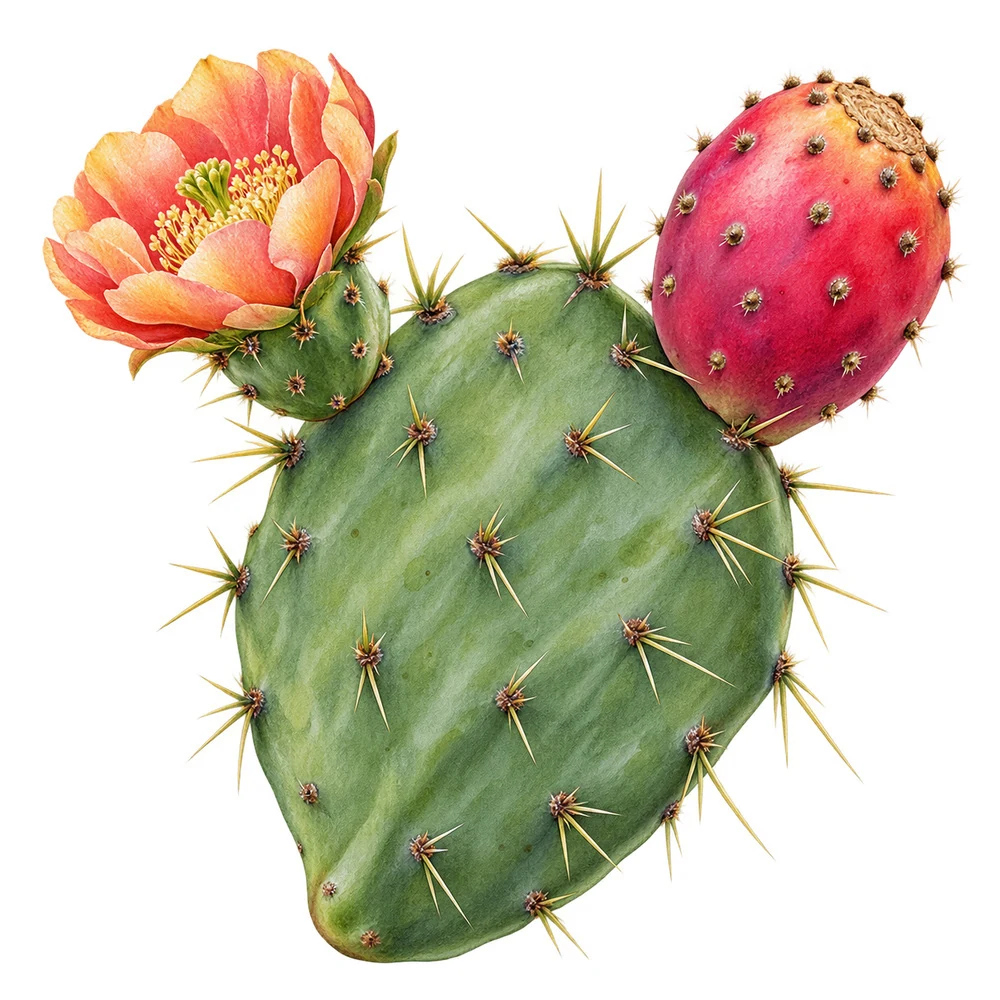
Opuntia ficus-indica is the prickly pear cactus. Its fruit and pads have a vivid culinary and botanical heritage.
WHY IT'S HERE
Prickly pear contains betalains and other plant compounds studied for antioxidant effects. Human research uses particular fruit foods or extracts; those findings cannot be assumed to apply to every preparation or predict recovery benefits.
THE SHORT VERSION
Potential antioxidant effects, with evidence specific to the preparation studied.
From the current OVERT ingredient guide. Ingredient reference information; check the current product label for inclusion, amounts, directions and warnings. Research on an ingredient does not establish the effects of a finished OVERT formula.
Plant part, preparation and extract standardisation matter. Research on fresh cactus fruit or a specific trial extract does
not directly validate another concentrated ingredient.
Fifty-five participants completed both extract and placebo conditions. Three individual symptoms and a severe-hangover measure favoured the extract, but the overall symptom-index difference did not meet conventional statistical significance (P = 0.07).
Eighteen adults ate 250 g fresh cactus-pear pulp twice daily or received vitamin C for two weeks. Several oxidative-stress markers changed with fruit; this is food-based biomarker research, not a trial of the guidebook's extract.
RESEARCH IN CONTEXT
Ingredient studies do not establish the effects of the finished OVERT formulas.
Forms, doses and study populations may differ. Technical sources describe identity or function.
Source links are clickable in the digital guide.
08
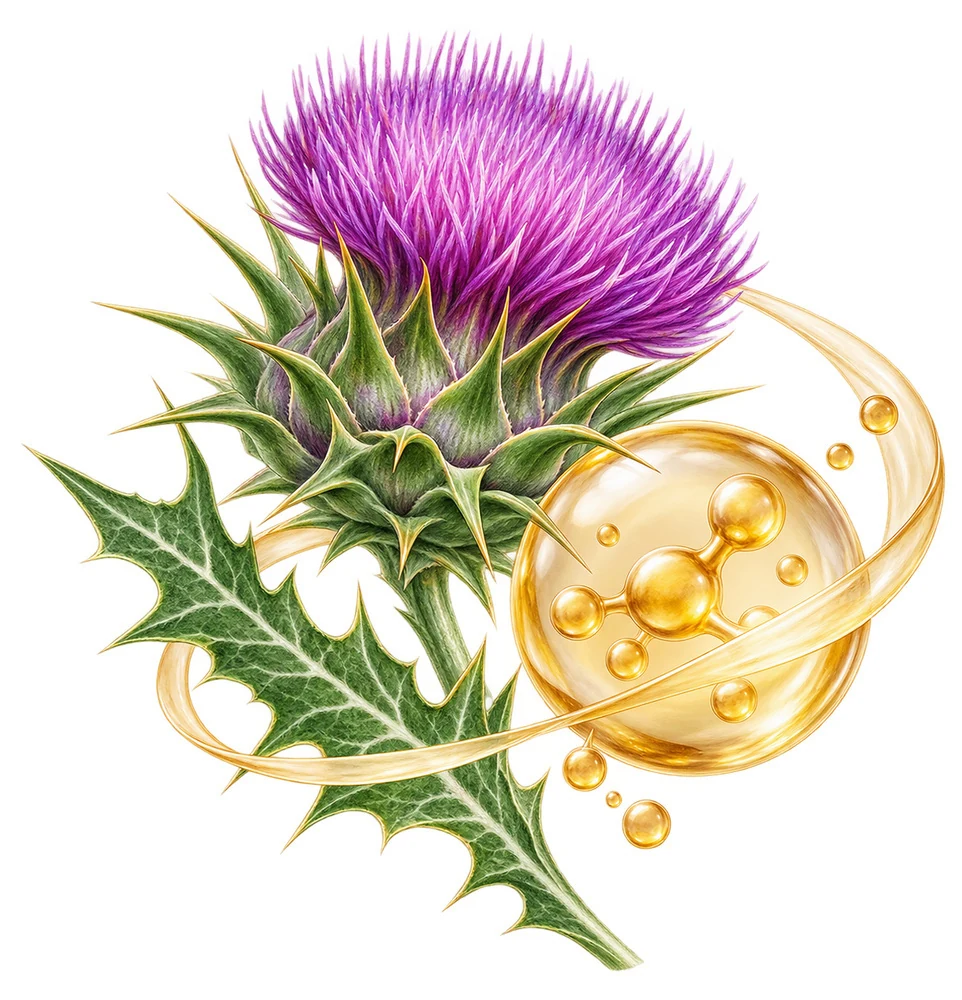
Silybin is a naturally occurring constituent of milk thistle. Here, it is paired with phosphatidylcholine in a named complex.
WHY IT'S HERE
Pairing silybin with phosphatidylcholine is intended to improve absorption. A small study of one named complex found higher blood levels than conventional silymarin; this does not establish liver protection, detoxification or reliable clinical benefits.
THE SHORT VERSION
May improve silybin absorption; clinical benefits remain uncertain.
From the current OVERT ingredient guide. Ingredient reference information; check the current product label for inclusion, amounts, directions and warnings. Research on an ingredient does not establish the effects of a finished OVERT formula.
The phosphatidylcholine complex is a specific preparation, distinct from generic milk-thistle extract. Absorption research
is relevant to its form. Trials in liver disease used particular products, often with added vitamins, and cannot establish
alcohol protection or finished-product efficacy here.
RESEARCH IN CONTEXT
Ingredient studies do not establish the effects of the finished OVERT formulas.
Forms, doses and study populations may differ. Technical sources describe identity or function.
Source links are clickable in the digital guide.
44
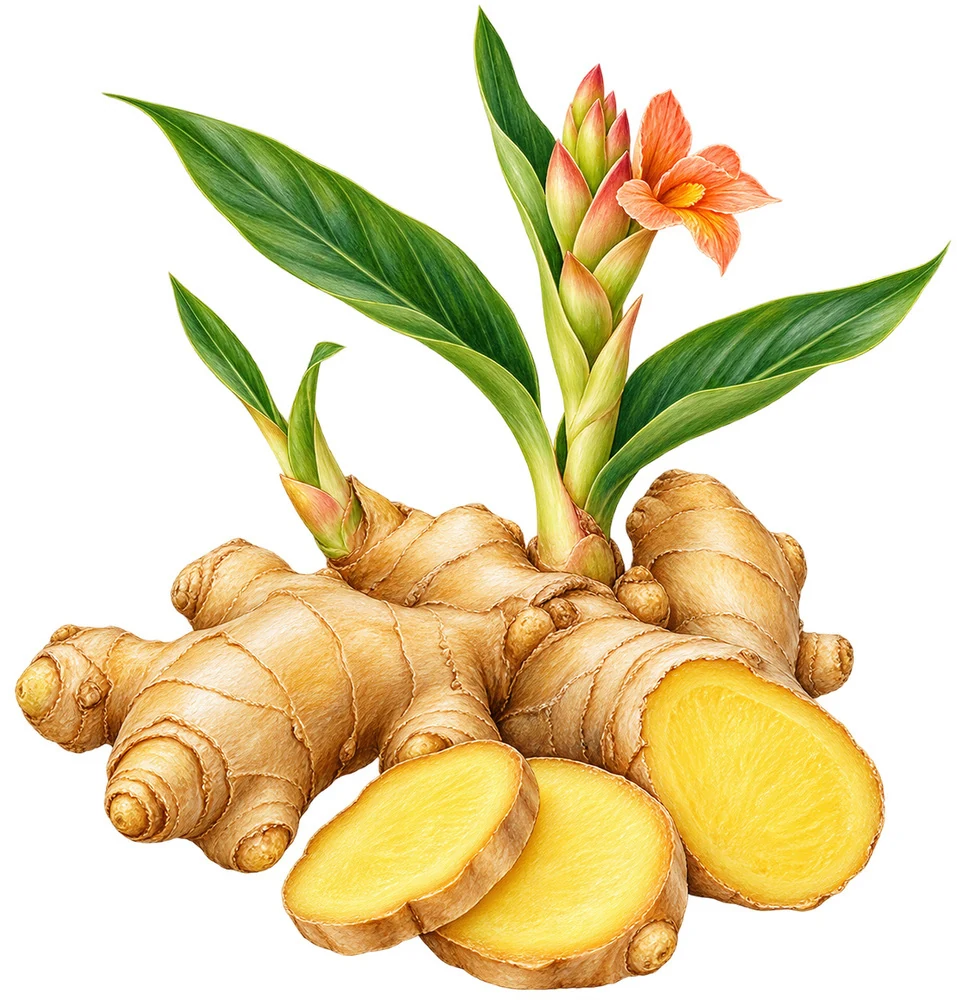
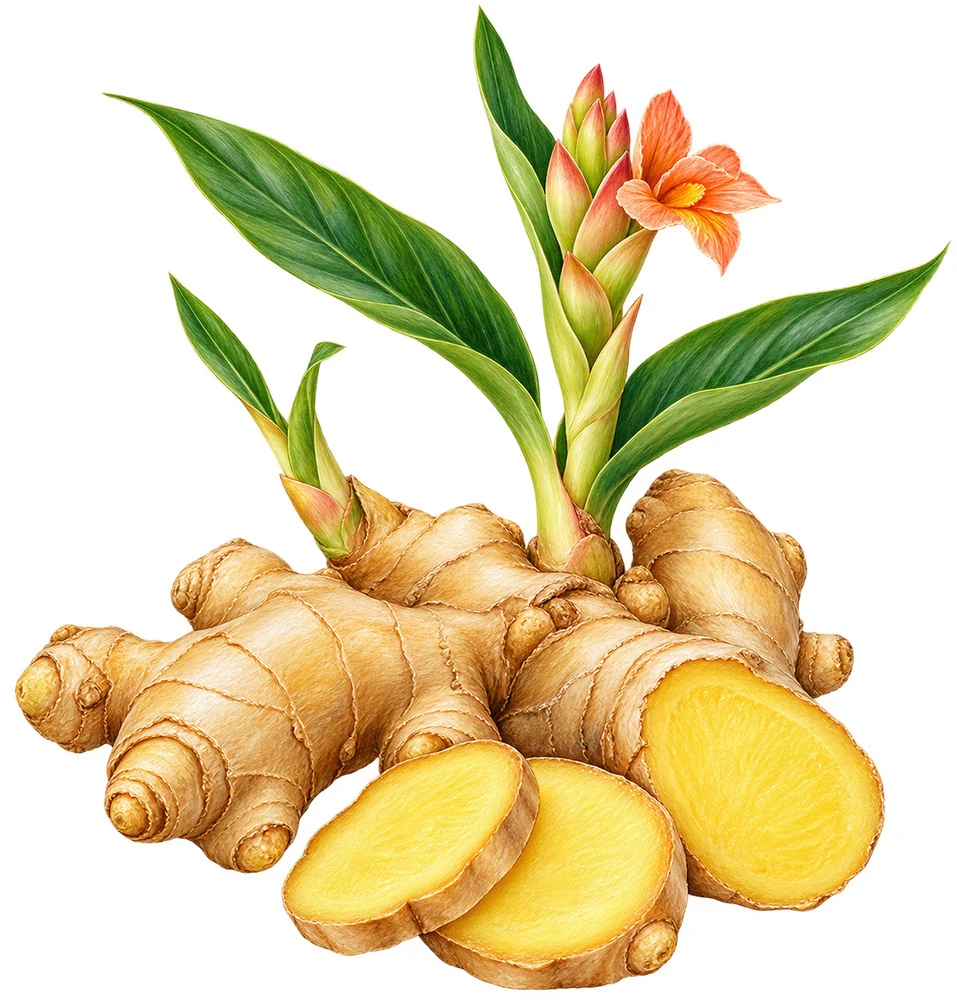
Ginger is the aromatic rhizome of the Zingiber officinale plant and has a long culinary history.
WHY IT'S HERE
Some ginger preparations have reduced nausea in pregnancy studies, while motion-sickness results are generally unconvincing. This preparation-specific evidence does not establish that every extract settles nausea or that a drink provides the same effect.
THE SHORT VERSION
Potential nausea relief, depending on the preparation and setting studied.
From the current OVERT ingredient guide. Ingredient reference information; check the current product label for inclusion, amounts, directions and warnings. Research on an ingredient does not establish the effects of a finished OVERT formula.
Ginger research is specific to the preparation and condition studied. The named extract in the clinical trial below is not
established as equivalent to the ingredient described here. These sources do not demonstrate hangover relief or the
effects of the complete OVERT formulas.
Identifies ginger rhizome and summarizes research across several conditions. Evidence differs by indication: some pregnancy-nausea findings are positive, while motion-sickness studies are mostly unhelpful. The overview also describes digestive side effects and the need to consider medicines.
In 120 pregnant women, a four-day trial of the named EV.EXT35 extract reduced nausea and retching compared with placebo, without significantly reducing vomiting. The population and preparation differ from the ingredient described here.
RESEARCH IN CONTEXT
Ingredient studies do not establish the effects of the finished OVERT formulas.
Forms, doses and study populations may differ. Technical sources describe identity or function.
Source links are clickable in the digital guide.
46
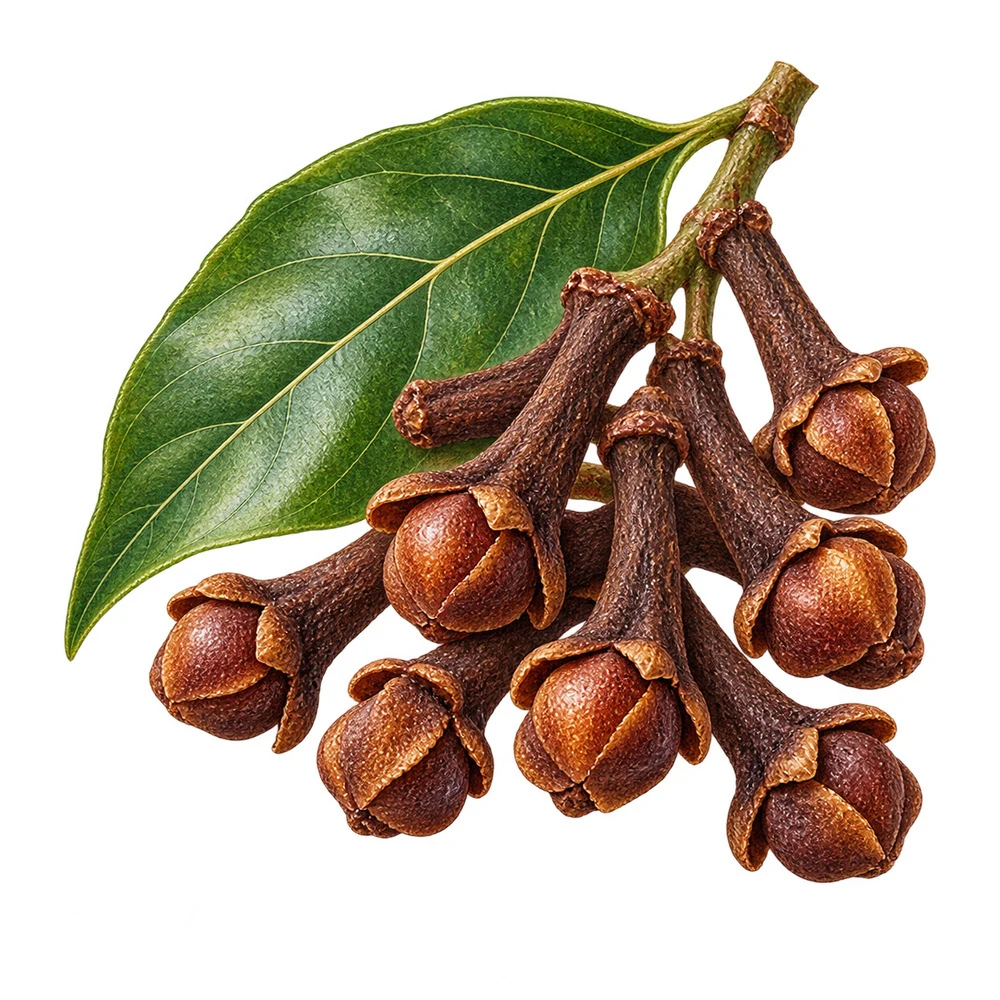
Clovinol is a water-soluble extract made from the flower buds of Syzygium aromaticum, the clove plant. Its polyphenol specification identifies a particular botanical preparation.
WHY IT'S HERE
Clove polyphenols are studied for effects on antioxidant defences. A small supplier-associated trial reported reductions in selected oxidative-stress markers, but evidence remains preliminary and does not establish broad or lasting health benefits.
THE SHORT VERSION
Potential antioxidant activity; evidence for wider benefits remains preliminary.
From the current OVERT ingredient guide. Ingredient reference information; check the current product label for inclusion, amounts, directions and warnings. Research on an ingredient does not establish the effects of a finished OVERT formula.
Clovinol is a specific standardized extract, distinct from ground clove and clove oil. Its small supplier-associated human
study is preliminary. A finding for the extract does not establish efficacy or alcohol protection from the complete
RECOVERY formula.
Sixteen male social drinkers received 250 mg of a specific clove-bud extract or placebo around an alcohol challenge. The trial measured selected biomarkers and symptoms; it does not establish that RECOVERY prevents or relieves hangovers.
Identifies Clovinol as a water-soluble clove-bud polyphenol extract and describes its production. This source is used to distinguish the specified material from clove oil or ordinary spice, rather than to independently verify the manufacturer's efficacy claims.
RESEARCH IN CONTEXT
Ingredient studies do not establish the effects of the finished OVERT formulas.
Forms, doses and study populations may differ. Technical sources describe identity or function.
Source links are clickable in the digital guide.
82
Ginger rhizome extract standardized to 5% total gingerols contains a measured proportion of these characteristic compounds. This percentage describes the extract's composition, not the amount of raw ginger used to make it.
WHY IT'S HERE
Some ginger preparations have shown benefits for nausea in particular study settings. Standardising gingerols identifies composition, but does not establish that this exact extract or serving provides the same benefit.
THE SHORT VERSION
Potential nausea benefit; effects depend on the extract, amount and setting.
From the current OVERT ingredient guide. Ingredient reference information; check the current product label for inclusion, amounts, directions and warnings. Research on an ingredient does not establish the effects of a finished OVERT formula.
RECOVERY specifies 5% total gingerols. Marker standardization is different from an extraction ratio. Clinical findings for
a defined preparation and indication do not establish hangover efficacy, dose equivalence or effects of the complete
RECOVERY formula.
Summarizes ginger research and safety across different conditions, noting variable study quality and indication-specific findings. It supports identifying ginger rhizome and considering digestive effects or medicines, without validating a particular standardized extract or this complete blend.
Sixty adults with acute migraine received 400 mg of a 5%-active ginger extract or placebo alongside intravenous ketoprofen. The different dose and medical-treatment setting do not establish effects of RECOVERY on migraine or hangover symptoms.
RESEARCH IN CONTEXT
Ingredient studies do not establish the effects of the finished OVERT formulas.
Forms, doses and study populations may differ. Technical sources describe identity or function.
Source links are clickable in the digital guide.
108
Zinc L-Carnosine is a complex that combines zinc with the dipeptide L-carnosine.
WHY IT'S HERE
This complex has been studied for maintaining the intestinal barrier under experimental stress. Small human trials report changes in gut-permeability measures, but they do not establish broad digestive benefits or protection from alcohol-related injury.
THE SHORT VERSION
Potential intestinal-barrier support; human evidence remains limited.
From the current OVERT ingredient guide. Ingredient reference information; check the current product label for inclusion, amounts, directions and warnings. Research on an ingredient does not establish the effects of a finished OVERT formula.
These small studies concern zinc-carnosine and experimental intestinal-permeability measures. They are not evidence
that OVERT treats digestive disease or offsets alcohol-related damage.
Ten healthy volunteers received zinc-carnosine or placebo during a five-day indomethacin challenge. The permeability increase seen with placebo was not observed with zinc-carnosine. The paper also reports cell and animal experiments, which have different evidentiary limits.
Eight volunteers completed placebo, zinc-carnosine, colostrum and combined-treatment periods before strenuous exercise. Zinc-carnosine reduced the exercise-associated permeability rise after 14 days. The very small sample and specialised setting limit broader conclusions.
RESEARCH IN CONTEXT
Ingredient studies do not establish the effects of the finished OVERT formulas.
Forms, doses and study populations may differ. Technical sources describe identity or function.
Source links are clickable in the digital guide.
12
Sodium and potassium are familiar minerals found in body fluids and everyday foods.
WHY IT'S HERE
Sodium and potassium help regulate fluid balance, transmit nerve signals and support normal muscle function. Replacing losses may be useful, but a drink's hydration effect depends on its mineral amounts, overall composition and your individual needs.
THE SHORT VERSION
Supports normal fluid balance, nerve signalling and muscle function.
From the current OVERT ingredient guide. Ingredient reference information; check the current product label for inclusion, amounts, directions and warnings. Research on an ingredient does not establish the effects of a finished OVERT formula.
These sources explain essential mineral functions and intake context. They do not establish that this serving treats
dehydration or is equivalent to a clinical oral-rehydration solution.
NIH describes potassium's role in cellular fluid balance, nerve signalling and muscle function, and its relationship with sodium. It also explains dietary requirements and why kidney disease or certain medicines can make excess potassium hazardous.
FDA explains sodium's role in fluid balance, nerves and muscles while noting that most Americans consume too much. It distinguishes sodium from table salt and explains how a serving contributes to total daily intake.
RESEARCH IN CONTEXT
Ingredient studies do not establish the effects of the finished OVERT formulas.
Forms, doses and study populations may differ. Technical sources describe identity or function.
Source links are clickable in the digital guide.
20
Sodium, potassium and chloride are minerals naturally present in body fluids. Daily and Recovery supply them through sodium chloride and potassium chloride.
WHY IT'S HERE
Together, these electrolytes help maintain normal fluid balance and support nerve and muscle function. Chloride is also part of stomach juices used in digestion. Their usefulness depends on intake, losses and the amounts in a serving.
THE SHORT VERSION
Supports fluid balance, nerve signals and muscle function.
From the current OVERT ingredient guide. Ingredient reference information; check the current product label for inclusion, amounts, directions and warnings. Research on an ingredient does not establish the effects of a finished OVERT formula.
Electrolytes have established physiological roles, but a supplement's value depends on losses, intake, health and
formulation. Evidence for a defined medical rehydration solution cannot be transferred automatically to this product or to
relief of alcohol-related symptoms.
RESEARCH IN CONTEXT
Ingredient studies do not establish the effects of the finished OVERT formulas.
Forms, doses and study populations may differ. Technical sources describe identity or function.
Source links are clickable in the digital guide.
38
Magnesium citrate combines magnesium with citric acid. No Jet Lag Day specifies the tribasic anhydrous form.
WHY IT'S HERE
Magnesium contributes to normal muscle and nerve function, energy metabolism and electrolyte balance. Citrate supplies an absorbable magnesium form; better absorption in a particular comparison does not establish better sleep, faster recovery or superior performance.
THE SHORT VERSION
Supports normal muscle, nerve and energy functions.
From the current OVERT ingredient guide. Ingredient reference information; check the current product label for inclusion, amounts, directions and warnings. Research on an ingredient does not establish the effects of a finished OVERT formula.
Research supports magnesium citrate as an absorbable magnesium source. Comparative absorption studies do not
prove that this product prevents deficiency, treats symptoms or outperforms other finished drinks. Amount, tolerance,
kidney function and medication timing still matter.
Compared citrate and oxide using laboratory solubility tests and urinary magnesium after oral dosing in healthy volunteers. Citrate showed greater solubility and urinary response under the tested conditions; clinical symptom improvement and this drink were not studied.
Reviews magnesium functions, supplement forms, intake limits and interactions with certain medicines. It provides context for citrate as a nutrient source and for digestive tolerance, without clearing this complete formula for every user.
RESEARCH IN CONTEXT
Ingredient studies do not establish the effects of the finished OVERT formulas.
Forms, doses and study populations may differ. Technical sources describe identity or function.
Source links are clickable in the digital guide.
40
Magnesium bisglycinate combines the essential mineral magnesium with glycine, an amino acid. It is a different form from the magnesium citrate described elsewhere in this guide, so we name it separately.
WHY IT'S HERE
Magnesium supports normal muscle and nerve function and helps enzymes release energy from food. It also contributes to bone structure and the movement of minerals across cell membranes, supporting several essential cellular processes.
THE SHORT VERSION
Supports normal muscle and nerve function and energy metabolism.
From the current OVERT ingredient guide. Ingredient reference information; check the current product label for inclusion, amounts, directions and warnings. Research on an ingredient does not establish the effects of a finished OVERT formula.
Nutritional roles are established. Evidence comparing magnesium chelates concerns particular preparations and
populations; it does not establish universal superiority or a finished-product benefit.
Explains magnesium's established roles in enzyme activity, energy metabolism and normal muscle and nerve function. It distinguishes elemental magnesium from compound weight and reviews supplemental forms, intake considerations and interactions.
Twelve patients with intestinal resections received labeled magnesium diglycinate and oxide. Overall absorption did not differ significantly; a small subgroup showed greater chelate absorption. This is specialized absorption evidence, not a general sleep or recovery trial.
RESEARCH IN CONTEXT
Ingredient studies do not establish the effects of the finished OVERT formulas.
Forms, doses and study populations may differ. Technical sources describe identity or function.
Source links are clickable in the digital guide.
58
Zinc bisglycinate is a compound that combines zinc, an essential trace mineral, with glycine. It is a separate ingredient from the zinc L-carnosine complex described elsewhere in this guide.
WHY IT'S HERE
Zinc supports normal immune function, the production of proteins and DNA, and the formation of new cells. It is also needed for normal wound healing and the sense of taste.
THE SHORT VERSION
Supports normal immune function, wound healing and the sense of taste.
From the current OVERT ingredient guide. Ingredient reference information; check the current product label for inclusion, amounts, directions and warnings. Research on an ingredient does not establish the effects of a finished OVERT formula.
The references explain zinc nutrition and a limited absorption comparison. They do not demonstrate that this form
improves travel or recovery outcomes.
Reviews zinc's essential nutritional functions, dietary sources and supplement use. It explains why elemental zinc is the nutrient amount of interest and why intake, absorption and interactions must be considered in context.
A single-dose comparison in twelve women found higher measured zinc exposure with bisglycinate than gluconate. The small absorption study supports interest in the form but does not test symptoms, long-term outcomes or the complete drink.
RESEARCH IN CONTEXT
Ingredient studies do not establish the effects of the finished OVERT formulas.
Forms, doses and study populations may differ. Technical sources describe identity or function.
Source links are clickable in the digital guide.
60
L-selenomethionine is a selenium-containing amino acid used to supply selenium, an essential trace mineral. It is a specific ingredient, distinct from selenium-enriched yeast, with its full form identified on the label.
WHY IT'S HERE
Selenium forms part of proteins involved in thyroid hormone metabolism and the body's antioxidant defences. These proteins also contribute to DNA production and normal cellular function, explaining selenium's essential nutritional role.
THE SHORT VERSION
Supports thyroid hormone metabolism and cellular antioxidant defences.
From the current OVERT ingredient guide. Ingredient reference information; check the current product label for inclusion, amounts, directions and warnings. Research on an ingredient does not establish the effects of a finished OVERT formula.
Explains selenium-containing proteins, including glutathione peroxidases, and the metabolism of selenomethionine. It reviews nutritional needs, supplementation research and excess-intake concerns, supporting a trace-mineral role rather than an unrestricted antioxidant claim.
SELECT evaluated supplemental L-selenomethionine, vitamin E, their combination or placebo in older men. Selenium did not prevent prostate cancer in the initial report. The trial illustrates why essential nutrient functions do not establish additional clinical benefits.
RESEARCH IN CONTEXT
Ingredient studies do not establish the effects of the finished OVERT formulas.
Forms, doses and study populations may differ. Technical sources describe identity or function.
Source links are clickable in the digital guide.
64
Sodium citrate is a sodium salt of citric acid. Dihydrate identifies the crystalline form used here, which includes a defined amount of water within its structure.
WHY IT'S HERE
Sodium helps maintain normal fluid balance and supports nerve signalling and muscle function. Sodium citrate supplies that electrolyte, while its citrate component can also help moderate acidity and balance a drink's tartness.
THE SHORT VERSION
Supports fluid balance while helping keep the drink's acidity balanced.
From the current OVERT ingredient guide. Ingredient reference information; check the current product label for inclusion, amounts, directions and warnings. Research on an ingredient does not establish the effects of a finished OVERT formula.
This is a sodium source and part of the acid-balance system in No Jet Lag DAY. The dihydrate designation identifies its
crystalline form. Its food-use specification does not establish the measured acidity, hydration performance or clinical
effects of the finished serving.
Defines sodium citrate as a citric-acid salt and recognizes its anhydrous and dihydrate forms. It supports precise ingredient naming, while actual sodium contribution and physical behaviour depend on the specified grade and the complete formulation.
Explains sodium in normal fluid balance and nerve and muscle function. These nutritional roles do not establish that a particular sodium-citrate drink improves hydration more than water.
RESEARCH IN CONTEXT
Ingredient studies do not establish the effects of the finished OVERT formulas.
Forms, doses and study populations may differ. Technical sources describe identity or function.
Source links are clickable in the digital guide.
118
Potassium citrate is a potassium salt of citric acid. Monohydrate names the specific crystalline form, including the water held within that structure, so the ingredient is described precisely.
WHY IT'S HERE
Potassium helps regulate fluid inside cells and supports normal nerve signalling and muscle contraction. These everyday functions depend on an adequate potassium supply, making it a useful nutritional component of the electrolyte profile.
THE SHORT VERSION
Supports normal cellular fluid balance, nerve signalling and muscle function.
From the current OVERT ingredient guide. Ingredient reference information; check the current product label for inclusion, amounts, directions and warnings. Research on an ingredient does not establish the effects of a finished OVERT formula.
Potassium citrate provides potassium in No Jet Lag DAY, in a different salt from the potassium chloride used elsewhere.
Salt identity and elemental nutrient amount are distinct. Medical suitability depends on kidney function, medicines and
total potassium exposure.
Defines potassium citrate as a citric-acid salt containing one mole of water per mole of salt. It supports the monohydrate identity, without establishing the nutrient amount or clinical effects of any particular supplement serving.
Describes potassium physiology, intake and medication considerations. Impaired kidney excretion and medicines such as potassium-sparing diuretics can change suitability; this general medical context does not establish that a specific citrate-containing product is appropriate for everyone.
RESEARCH IN CONTEXT
Ingredient studies do not establish the effects of the finished OVERT formulas.
Forms, doses and study populations may differ. Technical sources describe identity or function.
Source links are clickable in the digital guide.
120
Nicotinamide riboside is a specific form of vitamin B3. We state the form in full so the label is easy to understand and compare.
WHY IT'S HERE
NR helps the body make NAD, a coenzyme needed for normal cellular energy metabolism. Human trials show increased NAD-related measures, but this has not established extra energy, longevity or a predictable everyday benefit.
THE SHORT VERSION
Supports NAD production; wider health benefits from supplementation remain unproven.
From the current OVERT ingredient guide. Ingredient reference information; check the current product label for inclusion, amounts, directions and warnings. Research on an ingredient does not establish the effects of a finished OVERT formula.
NR chloride has human data on NAD-related biomarkers and short-term tolerability. Biomarker increases do not establish
longevity, hangover prevention, jet-lag relief or benefits for the finished formula.
Twenty-four adults completed six-week periods of nicotinamide riboside chloride and placebo. At 1,000 mg daily, NR increased NAD-related measures and was generally tolerated; the small study did not establish long-term clinical benefits.
An eight-week, industry-funded trial assigned 140 adults to placebo or 100, 300 or 1,000 mg NR chloride daily. Whole-blood NAD increased with dose, without significant between-group differences in reported adverse events during the study.
RESEARCH IN CONTEXT
Ingredient studies do not establish the effects of the finished OVERT formulas.
Forms, doses and study populations may differ. Technical sources describe identity or function.
Source links are clickable in the digital guide.
10
Thiamine is vitamin B1, an essential nutrient. Thiamine hydrochloride is a stable, well-recognized supplemental form.
WHY IT'S HERE
Thiamine helps enzymes release energy from food and supports the normal function of cells. The hydrochloride form supplies vitamin B1; adequate intake meets a nutritional need, rather than acting as a stimulant or guaranteeing more energy.
THE SHORT VERSION
Supports normal energy metabolism and healthy cell function.
From the current OVERT ingredient guide. Ingredient reference information; check the current product label for inclusion, amounts, directions and warnings. Research on an ingredient does not establish the effects of a finished OVERT formula.
Vitamin B1 supports normal nutrient metabolism. Absorption studies at pharmacological doses should not be turned into
claims that a nutritional serving produces additional energy or treats disease.
NIH explains thiamin's role in cellular energy metabolism, dietary requirements and deficiency. It identifies thiamin hydrochloride and mononitrate as common stable, water-soluble supplement forms; this supports identity and nutritional context rather than a product-specific benefit.
Healthy adults received single oral thiamine-hydrochloride doses of 100, 500 and 1,500 mg or placebo. Blood exposure rose nonlinearly with dose. The experiment examined absorption, not everyday energy, hangover outcomes or the guidebook's finished blend.
RESEARCH IN CONTEXT
Ingredient studies do not establish the effects of the finished OVERT formulas.
Forms, doses and study populations may differ. Technical sources describe identity or function.
Source links are clickable in the digital guide.
14
L-5-Methyltetrahydrofolate, also known as 5-MTHF, is a bioactive form of folate. Daily specifies the glucosamine salt.
WHY IT'S HERE
5-MTHF supplies folate used in DNA synthesis, cell division and normal amino-acid metabolism. It is an active folate form, but that does not establish universal clinical superiority over folic acid or other folate preparations.
THE SHORT VERSION
Supports DNA synthesis, cell division and normal amino-acid metabolism.
From the current OVERT ingredient guide. Ingredient reference information; check the current product label for inclusion, amounts, directions and warnings. Research on an ingredient does not establish the effects of a finished OVERT formula.
5-MTHF research supports folate-status comparisons. It does not establish a clinical advantage for every salt or delivery
system, or substitute for folic-acid-specific public-health recommendations.
NIH describes folate's role in one-carbon metabolism, DNA synthesis and cell division, and distinguishes folic acid from 5-MTHF. It also discusses bioavailability, dietary-folate-equivalent labelling, medication interactions and the limits of translating biochemical differences into clinical advice.
In 144 women, 24 weeks of [6S]-5-MTHF or folic acid improved folate biomarkers compared with placebo. The higher 5-MTHF dose produced a larger red-cell folate increase; the trial measured folate status rather than disease prevention.
RESEARCH IN CONTEXT
Ingredient studies do not establish the effects of the finished OVERT formulas.
Forms, doses and study populations may differ. Technical sources describe identity or function.
Source links are clickable in the digital guide.
16
Pyridoxal 5-Phosphate, often abbreviated P-5-P, is a coenzyme form of vitamin B6.
WHY IT'S HERE
Pyridoxal 5-phosphate participates in amino-acid metabolism and the production of neurotransmitters and haemoglobin. Supplying vitamin B6 supports these normal functions; its coenzyme form does not mean that supplementation improves mood, cognition or energy beyond nutritional needs.
THE SHORT VERSION
Supports amino-acid metabolism, neurotransmitter production and haemoglobin formation.
From the current OVERT ingredient guide. Ingredient reference information; check the current product label for inclusion, amounts, directions and warnings. Research on an ingredient does not establish the effects of a finished OVERT formula.
Pyridoxal 5-phosphate is a vitamin B6 coenzyme form. Its biochemical role does not establish superior clinical outcomes,
and capsule or tablet absorption results do not validate a powdered blend.
NIH identifies pyridoxal 5-phosphate as an active coenzyme form of vitamin B6 involved in numerous enzyme reactions. The fact sheet covers nutrient requirements, supplement forms and safety concerns associated with excessive vitamin B6 intake.
Researchers studied pyridoxal-phosphate absorption timing in 113 volunteers using plain capsules and enteric-coated tablets. Meals and dosage form affected the delay before absorption. This is delivery-system research, not evidence of a particular wellness outcome.
RESEARCH IN CONTEXT
Ingredient studies do not establish the effects of the finished OVERT formulas.
Forms, doses and study populations may differ. Technical sources describe identity or function.
Source links are clickable in the digital guide.
18
Vitamin C, also called ascorbic acid, is one of the essential nutrients listed in OVERT's Supplement Facts panel.
WHY IT'S HERE
Vitamin C supports collagen formation, normal immune function and the body's antioxidant defences. It also helps the body absorb iron from plant foods, giving this essential vitamin several distinct roles in everyday nutrition.
THE SHORT VERSION
Supports collagen formation, immune function and antioxidant defences.
From the current OVERT ingredient guide. Ingredient reference information; check the current product label for inclusion, amounts, directions and warnings. Research on an ingredient does not establish the effects of a finished OVERT formula.
Vitamin C has established nutritional functions. Absorption and blood concentrations depend on intake and physiological
regulation; a larger dose does not translate directly into proportionally greater benefit. These references do not show that
this product treats travel fatigue or alcohol-related symptoms.
Summarizes vitamin C's nutritional functions, intake guidance, absorption and potential adverse effects or interactions. It distinguishes established nutrient requirements from clinical claims, providing context for ascorbic acid without proving extra benefit from this particular supplement.
An inpatient study in seven healthy volunteers measured dose relationships for plasma and cellular vitamin C, absorption and excretion. It demonstrated regulated, nonlinear handling of oral doses; it did not test a recovery formula or prove symptom relief.
RESEARCH IN CONTEXT
Ingredient studies do not establish the effects of the finished OVERT formulas.
Forms, doses and study populations may differ. Technical sources describe identity or function.
Source links are clickable in the digital guide.
52
Cholecalciferol is vitamin D3, a fat-soluble vitamin. Lichen-derived identifies the source selected for this ingredient: a defined vitamin D3 material sourced from lichen, rather than a serving of whole lichen.
WHY IT'S HERE
Vitamin D helps the body absorb calcium and maintain healthy bones. It also has roles in normal muscle and immune function; lichen sourcing does not change these established nutritional functions.
THE SHORT VERSION
Supports calcium absorption and normal bone, muscle and immune function.
From the current OVERT ingredient guide. Ingredient reference information; check the current product label for inclusion, amounts, directions and warnings. Research on an ingredient does not establish the effects of a finished OVERT formula.
These sources concern cholecalciferol and vitamin D nutrition. Lichen describes the selected ingredient's origin, which
requires supplier traceability; it is not evidence of a different physiological effect.
Describes cholecalciferol as vitamin D3 and explains vitamin D metabolism, calcium absorption and bone-related functions. It reviews evidence from supplementation research while distinguishing adequate nutrition from broad health claims.
Provides an accessible account of vitamin D's fat solubility, food and supplement sources, and the distinction between D2 and D3. It supports the vitamin identity and nutritional context, not a special benefit from lichen sourcing.
RESEARCH IN CONTEXT
Ingredient studies do not establish the effects of the finished OVERT formulas.
Forms, doses and study populations may differ. Technical sources describe identity or function.
Source links are clickable in the digital guide.
62
Riboflavin is vitamin B2, an essential water-soluble nutrient found in a range of foods. Its yellow colour is a natural characteristic of the vitamin.
WHY IT'S HERE
Riboflavin supports the coenzymes that help release energy from food and maintain normal cell function. It also helps the body use other B vitamins, including B6 and niacin, within its everyday metabolism.
THE SHORT VERSION
Helps turn food into energy and maintain normal cell function.
From the current OVERT ingredient guide. Ingredient reference information; check the current product label for inclusion, amounts, directions and warnings. Research on an ingredient does not establish the effects of a finished OVERT formula.
The sources support vitamin B2 identity and nutritional function. An ingredient identity or essential role is not evidence of
the finished blend's efficacy.
Explains riboflavin's role in the coenzymes FMN and FAD, its relationships with other B vitamins, and its natural yellow fluorescence. It also discusses light sensitivity, sources and nutritional status.
Lists riboflavin's chemical identity, vitamin B2 synonyms and molecular identifiers. This is a reference for distinguishing the named ingredient from other flavin compounds, rather than a clinical trial or evidence for a finished supplement.
RESEARCH IN CONTEXT
Ingredient studies do not establish the effects of the finished OVERT formulas.
Forms, doses and study populations may differ. Technical sources describe identity or function.
Source links are clickable in the digital guide.
66
Calcium D-pantothenate is a salt used to supply pantothenic acid, better known as vitamin B5. Calcium is part of the compound's name; the ingredient's purpose here is to provide the vitamin.
WHY IT'S HERE
Pantothenic acid helps the body make coenzyme A, a molecule needed to release energy from food and process fats. These everyday metabolic reactions support normal cellular function throughout the body.
THE SHORT VERSION
Supports everyday energy and fat metabolism.
From the current OVERT ingredient guide. Ingredient reference information; check the current product label for inclusion, amounts, directions and warnings. Research on an ingredient does not establish the effects of a finished OVERT formula.
Calcium pantothenate is a source of pantothenic acid. These references support its identity and nutritional role, without
establishing superior absorption or a product-specific effect.
Describes pantothenic acid's roles in coenzyme A and acyl carrier protein and identifies calcium pantothenate as a common supplement form. It notes that comparative bioavailability studies between supplemental forms are lacking.
Provides chemical names and identifiers for calcium pantothenate. It helps distinguish the vitamin-bearing calcium salt from free pantothenic acid and from a calcium nutrient declaration; it does not compare health outcomes between forms.
RESEARCH IN CONTEXT
Ingredient studies do not establish the effects of the finished OVERT formulas.
Forms, doses and study populations may differ. Technical sources describe identity or function.
Source links are clickable in the digital guide.
68
D-biotin is the biotin form specified for OVERT's blend. Biotin, sometimes called vitamin B7, is an essential water-soluble B vitamin that occurs in foods and is also supplied in supplements.
WHY IT'S HERE
Biotin helps enzymes process fats, carbohydrates and amino acids, supporting normal nutrient metabolism. Evidence that extra biotin improves hair, skin or nails in people without a deficiency remains limited, despite its popularity for those uses.
THE SHORT VERSION
Helps the body metabolize fats, carbohydrates and amino acids.
From the current OVERT ingredient guide. Ingredient reference information; check the current product label for inclusion, amounts, directions and warnings. Research on an ingredient does not establish the effects of a finished OVERT formula.
These sources support biotin identity and nutritional context. They do not establish cosmetic benefits for people whose
biotin status is already adequate.
Explains biotin's role as a cofactor for carboxylase enzymes and reviews dietary sources, requirements and supplement evidence. It distinguishes deficiency-related findings from the limited evidence for routine hair, skin and nail benefits.
Records biotin's defined chemical identity and its D-biotin synonyms. This supports the specific form named in the ingredient profile; a chemical identity record is not an assessment of a complete blend's benefits.
RESEARCH IN CONTEXT
Ingredient studies do not establish the effects of the finished OVERT formulas.
Forms, doses and study populations may differ. Technical sources describe identity or function.
Source links are clickable in the digital guide.
70
Methylcobalamin is a specific form of vitamin B12, one of the essential water-soluble B vitamins. The full name identifies the ingredient used, rather than grouping every B12 source under the same umbrella.
WHY IT'S HERE
Vitamin B12 supports normal red blood cell formation, nerve function and DNA synthesis. Its nutritional role is essential, but extra B12 has not been shown to improve physical performance when B12 status is adequate.
THE SHORT VERSION
Supports normal nerves, red blood cell formation and DNA production.
From the current OVERT ingredient guide. Ingredient reference information; check the current product label for inclusion, amounts, directions and warnings. Research on an ingredient does not establish the effects of a finished OVERT formula.
Methylcobalamin is a specific B12 form. Its active-form designation does not establish superior supplement absorption or
an effect on travel-related fatigue.
Identifies methylcobalamin among B12's metabolically active forms and explains blood-cell, nervous-system and DNA-related functions. It states that evidence does not show supplement absorption rates vary by B12 form and discusses intake and deficiency.
Provides identifiers and synonyms for methylcobalamin within the cobalamin family. It supports ingredient-level naming and distinction from other B12 sources, without providing comparative absorption results or a trial of this drink.
RESEARCH IN CONTEXT
Ingredient studies do not establish the effects of the finished OVERT formulas.
Forms, doses and study populations may differ. Technical sources describe identity or function.
Source links are clickable in the digital guide.
72
Pyridoxine hydrochloride is a common supplemental source of vitamin B6. It is a different form from pyridoxal 5-phosphate, also described in this guide, although both provide the same essential vitamin.
WHY IT'S HERE
Vitamin B6 helps the body process amino acids and make neurotransmitters involved in nerve communication. It also supports normal immune function and haemoglobin formation, linking protein metabolism with everyday cell function.
THE SHORT VERSION
Supports protein metabolism, nerve signalling and normal blood formation.
From the current OVERT ingredient guide. Ingredient reference information; check the current product label for inclusion, amounts, directions and warnings. Research on an ingredient does not establish the effects of a finished OVERT formula.
The sources support pyridoxine hydrochloride as a B6 source. They concern nutrient biology and intake assessment, not
an immediate effect from a serving of OVERT.
Explains B6 vitamers and coenzyme functions and identifies pyridoxine hydrochloride as the most common supplemental form. It reviews metabolism, nutritional status and evidence relevant to interpreting a B6 ingredient declaration.
Evaluates evidence linking excessive vitamin B6 intake with peripheral neuropathy and establishes an adult upper intake level. This is a cumulative-intake assessment, not evidence that one supplemental B6 form delivers better efficacy than another.
RESEARCH IN CONTEXT
Ingredient studies do not establish the effects of the finished OVERT formulas.
Forms, doses and study populations may differ. Technical sources describe identity or function.
Source links are clickable in the digital guide.
74
Thiamine mononitrate supplies thiamin, also known as vitamin B1. It is a different salt from thiamine hydrochloride described elsewhere in this guide, with both forms supplying the same essential nutrient.
WHY IT'S HERE
Thiamin helps convert nutrients into usable energy and supports normal cell function. Its coenzyme form is especially important in carbohydrate metabolism, helping the body's tissues use fuel from everyday food.
THE SHORT VERSION
Helps the body turn food into usable energy.
From the current OVERT ingredient guide. Ingredient reference information; check the current product label for inclusion, amounts, directions and warnings. Research on an ingredient does not establish the effects of a finished OVERT formula.
These references support thiamine mononitrate identity and its use as a B1 source. They do not demonstrate hangover
prevention or efficacy of the finished recovery blend.
Explains thiamin's metabolic coenzyme functions, food sources and limited body stores. It identifies mononitrate and hydrochloride as common supplement forms, supporting the guide's distinction between ingredient form and the vitamin itself.
Lists thiamine nitrate and thiamine mononitrate as names for the defined B1 salt. It supports the ingredient identity and distinction from thiamine hydrochloride, without implying that the different salt names establish different clinical results.
RESEARCH IN CONTEXT
Ingredient studies do not establish the effects of the finished OVERT formulas.
Forms, doses and study populations may differ. Technical sources describe identity or function.
Source links are clickable in the digital guide.
76
Folic acid is a specific form of folate, the water-soluble vitamin often called B9. It is widely used in fortified foods and supplements, and differs from the 5-MTHF form described elsewhere in this guide.
WHY IT'S HERE
Folate supports DNA production and normal cell division. It also works in amino-acid metabolism and healthy blood cell formation, making it important for maintaining tissues that continually replace their cells.
THE SHORT VERSION
Supports DNA production, cell division and healthy blood formation.
From the current OVERT ingredient guide. Ingredient reference information; check the current product label for inclusion, amounts, directions and warnings. Research on an ingredient does not establish the effects of a finished OVERT formula.
Folic acid and 5-MTHF are distinct folate forms. These references explain identity and nutrient accounting; they do not
establish the complete blend's efficacy.
Distinguishes folic acid from other folates, including 5-MTHF, and explains single-carbon metabolism and dietary folate equivalents. It supports careful reading of the nutrient amount separately from the weight of the ingredient.
Provides chemical identifiers and synonyms for folic acid. It supports the specific ingredient name used in this guide, rather than treating all folate materials as identical or demonstrating a benefit from the finished formula.
RESEARCH IN CONTEXT
Ingredient studies do not establish the effects of the finished OVERT formulas.
Forms, doses and study populations may differ. Technical sources describe identity or function.
Source links are clickable in the digital guide.
78
Niacinamide and nicotinamide are two names for the same form of vitamin B3. It differs from nicotinic acid, as well as the NR and NMN ingredients described elsewhere in this guide.
WHY IT'S HERE
Niacinamide helps supply NAD and NADP, coenzymes involved in releasing energy from food. They also support normal cellular reactions, including building fats and maintaining the body's own antioxidant systems.
THE SHORT VERSION
Supports energy metabolism and normal cellular functions.
From the current OVERT ingredient guide. Ingredient reference information; check the current product label for inclusion, amounts, directions and warnings. Research on an ingredient does not establish the effects of a finished OVERT formula.
Explains niacin terminology, including nicotinamide and niacinamide, and the roles of NAD and NADP. It distinguishes niacinamide from nicotinic acid, including their different flushing profiles, and reviews the nutritional context of supplementation.
Records nicotinamide's chemical identity and niacinamide synonyms. This is an identity reference for the specific B3 ingredient, not evidence that it reproduces effects studied with NR, NMN or other related compounds.
RESEARCH IN CONTEXT
Ingredient studies do not establish the effects of the finished OVERT formulas.
Forms, doses and study populations may differ. Technical sources describe identity or function.
Source links are clickable in the digital guide.
80
Sodium ascorbate is the sodium salt of vitamin C, also known as sodium L-ascorbate. It is used both as a vitamin source and as an antioxidant ingredient.
WHY IT'S HERE
As an antioxidant, sodium ascorbate can slow unwanted oxidation and help protect sensitive ingredients. The practical benefit is preservation of ingredient quality, with the actual effect depending on storage conditions and the complete preparation.
THE SHORT VERSION
Helps protect sensitive ingredients against oxidation and preserve ingredient quality.
From the current OVERT ingredient guide. Ingredient reference information; check the current product label for inclusion, amounts, directions and warnings. Research on an ingredient does not establish the effects of a finished OVERT formula.
Sodium ascorbate is listed within the vitamin D3 preparation for an antioxidant role. That small, unspecified component is
separate from the main ascorbic-acid input. Chemical antioxidant activity alone does not establish a clinical effect from
the complete product.
Identifies sodium ascorbate as a sodium salt of vitamin C and lists recognized technical functions, including antioxidant use. The entry supports the ingredient's stated role, without proving stability of the vitamin preparation or this finished blend.
Discusses vitamin C functions, supplemental forms, absorption and safety considerations. This provides nutritional context for ascorbate, but cannot supply the missing quantity in a carrier preparation or justify an additional clinical claim for that contribution.
RESEARCH IN CONTEXT
Ingredient studies do not establish the effects of the finished OVERT formulas.
Forms, doses and study populations may differ. Technical sources describe identity or function.
Source links are clickable in the digital guide.
92
L-Cysteine is a sulfur-containing amino acid found naturally in protein-rich foods and in the body.
WHY IT'S HERE
Cysteine is a building block for proteins and for the antioxidant glutathione. These are normal biochemical roles; taking extra L-cysteine has not consistently improved recovery-related symptoms in the small human studies available.
THE SHORT VERSION
Supports protein building and the body's glutathione antioxidant system.
From the current OVERT ingredient guide. Ingredient reference information; check the current product label for inclusion, amounts, directions and warnings. Research on an ingredient does not establish the effects of a finished OVERT formula.
Small human studies have produced inconsistent findings. Combination products and exploratory symptom analyses do
not establish an effect for isolated L-cysteine or the finished OVERT formula.
RESEARCH IN CONTEXT
Ingredient studies do not establish the effects of the finished OVERT formulas.
Forms, doses and study populations may differ. Technical sources describe identity or function.
Source links are clickable in the digital guide.
06
Glutathione is a small compound made from three amino acids and naturally present in the body.
WHY IT'S HERE
Glutathione helps cells manage oxidation and maintain normal redox balance. Oral supplementation has increased body stores in some human trials, while others found no clear change; higher measured stores do not establish a noticeable recovery benefit.
From the current OVERT ingredient guide. Ingredient reference information; check the current product label for inclusion, amounts, directions and warnings. Research on an ingredient does not establish the effects of a finished OVERT formula.
Human findings on oral reduced glutathione vary with study design, population and duration. Changes in glutathione
stores are biological findings; they are not evidence that this complete product relieves hangover or jet lag, or protects
against alcohol-related harm.
In 54 nonsmoking adults, six months of 250 or 1,000 mg daily oral glutathione increased measured stores in several body compartments. The trial assessed biomarkers rather than acute recovery symptoms or the efficacy of this mixture.
Forty healthy adults were assigned 500 mg reduced glutathione twice daily or placebo for four weeks. No significant between-group changes were found in measured glutathione status or oxidative-stress biomarkers, illustrating that results are not uniform.
RESEARCH IN CONTEXT
Ingredient studies do not establish the effects of the finished OVERT formulas.
Forms, doses and study populations may differ. Technical sources describe identity or function.
Source links are clickable in the digital guide.
42
L-Theanine is an amino acid found naturally in tea leaves.
WHY IT'S HERE
L-theanine is studied for attention and mental performance. Small trials suggest that combining it with caffeine can improve selected attention tasks, although effects vary with the dose, task and individual study.
THE SHORT VERSION
May support focused attention, particularly alongside caffeine.
From the current OVERT ingredient guide. Ingredient reference information; check the current product label for inclusion, amounts, directions and warnings. Research on an ingredient does not establish the effects of a finished OVERT formula.
Small acute trials suggest that some theanine-caffeine combinations affect selected attention tasks. Effects depend on
dose, comparator and endpoint. These studies do not establish a universal ratio, reliable cancellation of caffeine side
effects, or a clinical benefit from the complete OVERT products.
Tested 250 mg theanine and 150 mg caffeine alone and together in an acute crossover design. Selected cognitive and mood measures improved with the combination; theanine alone was not consistently beneficial. These doses and tasks do not validate this blend.
Compared 50 mg caffeine with or without 100 mg theanine and placebo in 27 participants. The combination improved selected attention-switching and distraction measures acutely. The small trial did not study travel adaptation, hangovers or the complete formula.
RESEARCH IN CONTEXT
Ingredient studies do not establish the effects of the finished OVERT formulas.
Forms, doses and study populations may differ. Technical sources describe identity or function.
Source links are clickable in the digital guide.
48
Daily specifies green-tea-derived caffeine at 100 mg per serving. Count it toward your total daily caffeine intake.
WHY IT'S HERE
Caffeine stimulates the nervous system and can increase alertness and reduce the feeling of tiredness. Its effects on sleep and how a person feels depend on the dose, timing and individual sensitivity.
THE SHORT VERSION
Helps increase alertness and reduce the feeling of tiredness.
From the current OVERT ingredient guide. Ingredient reference information; check the current product label for inclusion, amounts, directions and warnings. Research on an ingredient does not establish the effects of a finished OVERT formula.
Caffeine has noticeable stimulant effects, but exposure includes every source consumed during the day. Sleep effects
vary by dose, timing and person. A measured ingredient amount or a positive alertness finding does not reverse
intoxication or establish whole-product safety.
RESEARCH IN CONTEXT
Ingredient studies do not establish the effects of the finished OVERT formulas.
Forms, doses and study populations may differ. Technical sources describe identity or function.
Source links are clickable in the digital guide.
50
NMN stands for nicotinamide mononucleotide, a molecule the body uses to make NAD. NAD is a coenzyme involved in cellular metabolism, and NMN is one of its precursors. No Jet Lag Night specifies beta-NMN.
WHY IT'S HERE
NMN is studied for its ability to raise NAD, a coenzyme involved in cellular energy metabolism. Small human trials report higher blood NAD levels, but this does not establish longevity or everyday performance benefits.
THE SHORT VERSION
May raise blood NAD levels; broader health benefits remain unproven.
From the current OVERT ingredient guide. Ingredient reference information; check the current product label for inclusion, amounts, directions and warnings. Research on an ingredient does not establish the effects of a finished OVERT formula.
Human evidence supports changes in blood NAD. These small, short trials do not establish longevity or jet-lag benefits,
or the efficacy of the complete blend.
Thirty healthy adults received NMN or placebo for twelve weeks. Whole-blood NAD increased with NMN; the study primarily addresses biochemical response and short-term tolerability, rather than travel recovery or long-term clinical outcomes.
doi:10.1038/s41514-022-00084-z. Forty-two older men were randomized to NMN or placebo. A supplier dispensing error excluded 22 participants from 12-week analyses, leaving 20. Blood NAD-related measures increased; the reduced sample and short duration limit wider clinical conclusions.
RESEARCH IN CONTEXT
Ingredient studies do not establish the effects of the finished OVERT formulas.
Forms, doses and study populations may differ. Technical sources describe identity or function.
Source links are clickable in the digital guide.
56
Melatonin is a hormone involved in the body's sleep-wake rhythm, with natural production rising in darkness. Fast-release describes a preparation intended to make it available promptly, rather than extending its release.
WHY IT'S HERE
Melatonin helps signal biological night and may support sleep onset and adjustment of sleep-wake timing. Effects depend on when it is taken; it can cause drowsiness, so timing and product directions matter.
THE SHORT VERSION
Helps cue sleep and support sleep-wake timing when used appropriately.
From the current OVERT ingredient guide. Ingredient reference information; check the current product label for inclusion, amounts, directions and warnings. Research on an ingredient does not establish the effects of a finished OVERT formula.
Melatonin evidence depends on release form, timing and study setting. These references do not validate a universal
travel schedule or prove this complete formulation's efficacy.
RESEARCH IN CONTEXT
Ingredient studies do not establish the effects of the finished OVERT formulas.
Forms, doses and study populations may differ. Technical sources describe identity or function.
Source links are clickable in the digital guide.
110
Glycine is a simple amino acid that the body makes and uses in proteins and other molecules. Here it is supplied as free-form glycine, separate from the glycine associated with magnesium bisglycinate.
WHY IT'S HERE
Small studies in people reporting poor sleep or undergoing sleep restriction suggest possible improvements in perceived sleep quality or selected fatigue measures. Findings are preliminary and do not establish a consistent benefit.
THE SHORT VERSION
May support sleep quality and a more rested feeling.
From the current OVERT ingredient guide. Ingredient reference information; check the current product label for inclusion, amounts, directions and warnings. Research on an ingredient does not establish the effects of a finished OVERT formula.
Small, short human studies report selected sleep-related outcomes. They do not establish a consistent clinical benefit,
circadian realignment, travel efficacy or the effects of the complete NIGHT blend.
RESEARCH IN CONTEXT
Ingredient studies do not establish the effects of the finished OVERT formulas.
Forms, doses and study populations may differ. Technical sources describe identity or function.
Source links are clickable in the digital guide.
112
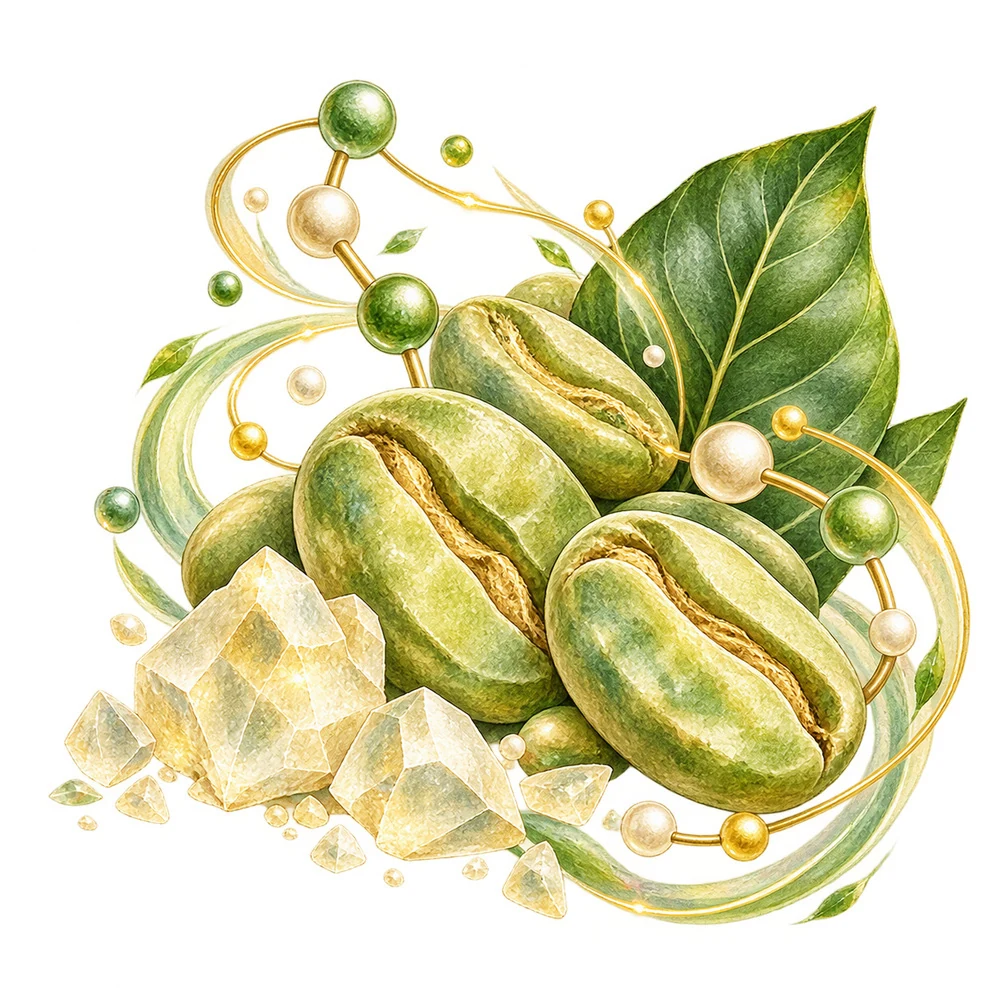
This ingredient supplies concentrated caffeine from green coffee beans, meaning unroasted beans. The active molecule is caffeine, distinct from a serving of coffee and its other constituents.
WHY IT'S HERE
Caffeine helps increase alertness and sustain attention, making it useful when you feel sleepy. Its effects depend on the amount consumed, the time of use and personal sensitivity, regardless of the botanical source.
THE SHORT VERSION
Supports daytime alertness and attention when sleepiness is getting in the way.
From the current OVERT ingredient guide. Ingredient reference information; check the current product label for inclusion, amounts, directions and warnings. Research on an ingredient does not establish the effects of a finished OVERT formula.
The botanical origin identifies the source. Evidence for caffeine absorption or alertness does not establish that naturally
sourced caffeine is gentler, or validate this complete DAY formula.
RESEARCH IN CONTEXT
Ingredient studies do not establish the effects of the finished OVERT formulas.
Forms, doses and study populations may differ. Technical sources describe identity or function.
Source links are clickable in the digital guide.
114
This is caffeine supplied in small coated particles designed to release it more gradually. Microencapsulated identifies the delivery form; the active ingredient remains caffeine.
WHY IT'S HERE
Slowing caffeine release may extend its alerting effect by spreading absorption over time. Human studies support this approach for specific preparations, but the duration and experience depend on the actual coating and dose.
THE SHORT VERSION
Designed for a more gradual caffeine effect and sustained alertness.
From the current OVERT ingredient guide. Ingredient reference information; check the current product label for inclusion, amounts, directions and warnings. Research on an ingredient does not establish the effects of a finished OVERT formula.
Release properties are preparation-specific. Capsule studies support the delivery concept but do not establish this drink's
duration, release profile or a reduction in jitteriness.
online 2023. doi:10.1080/19390211.2022.2160529. Fifteen healthy adults received particular extended-release and immediate-release caffeine capsules. The extended-release preparation reached its peak later with similar total exposure. Results concern that tested preparation, not all microencapsulated caffeine ingredients or reconstituted powders.
Ten men received a time-release multi-ingredient supplement, regular caffeine and placebo in an eight-hour comparison. Different blood-caffeine patterns illustrate delivery-form effects, while the supplement's additional ingredients and small sample limit transfer to another formulation.
RESEARCH IN CONTEXT
Ingredient studies do not establish the effects of the finished OVERT formulas.
Forms, doses and study populations may differ. Technical sources describe identity or function.
Source links are clickable in the digital guide.
116
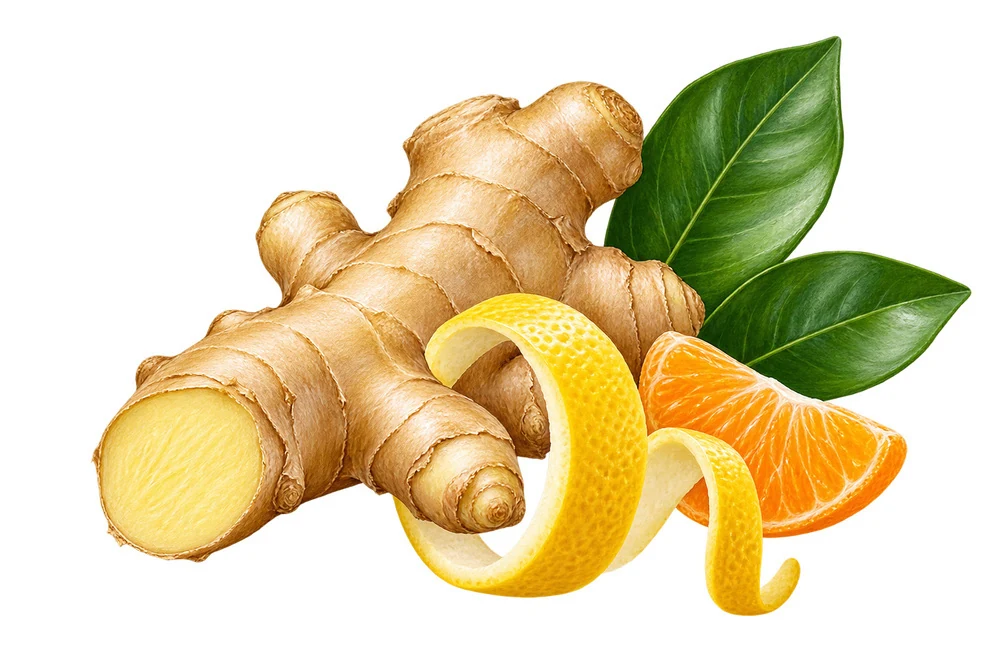
Citrus-ginger flavour brings together bright citrus notes and a lightly warming ginger character.
WHY IT'S HERE
Citrus and ginger notes add aroma, brightness and a gently warming character, helping balance the drink's different tastes. This is a flavour benefit; it does not establish the health effects reported for measured ginger supplements.
THE SHORT VERSION
Adds citrus brightness and ginger warmth for a rounded flavour.
From the current OVERT ingredient guide. Ingredient reference information; check the current product label for inclusion, amounts, directions and warnings. Research on an ingredient does not establish the effects of a finished OVERT formula.
FDA explains how supplement ingredients, including flavours, are declared and distinguishes nutrient-source ingredients from other formulation components. Its flavour-labelling guidance supports transparent identity disclosure, not a claim that a natural flavour provides a clinical dose of a botanical.
NCCIH identifies ginger as Zingiber officinale and notes its rhizome's food use. It distinguishes research on ginger supplements from foods and describes limitations and safety considerations; those supplement findings do not establish benefits for a flavour blend.
RESEARCH IN CONTEXT
Ingredient studies do not establish the effects of the finished OVERT formulas.
Forms, doses and study populations may differ. Technical sources describe identity or function.
Source links are clickable in the digital guide.
26
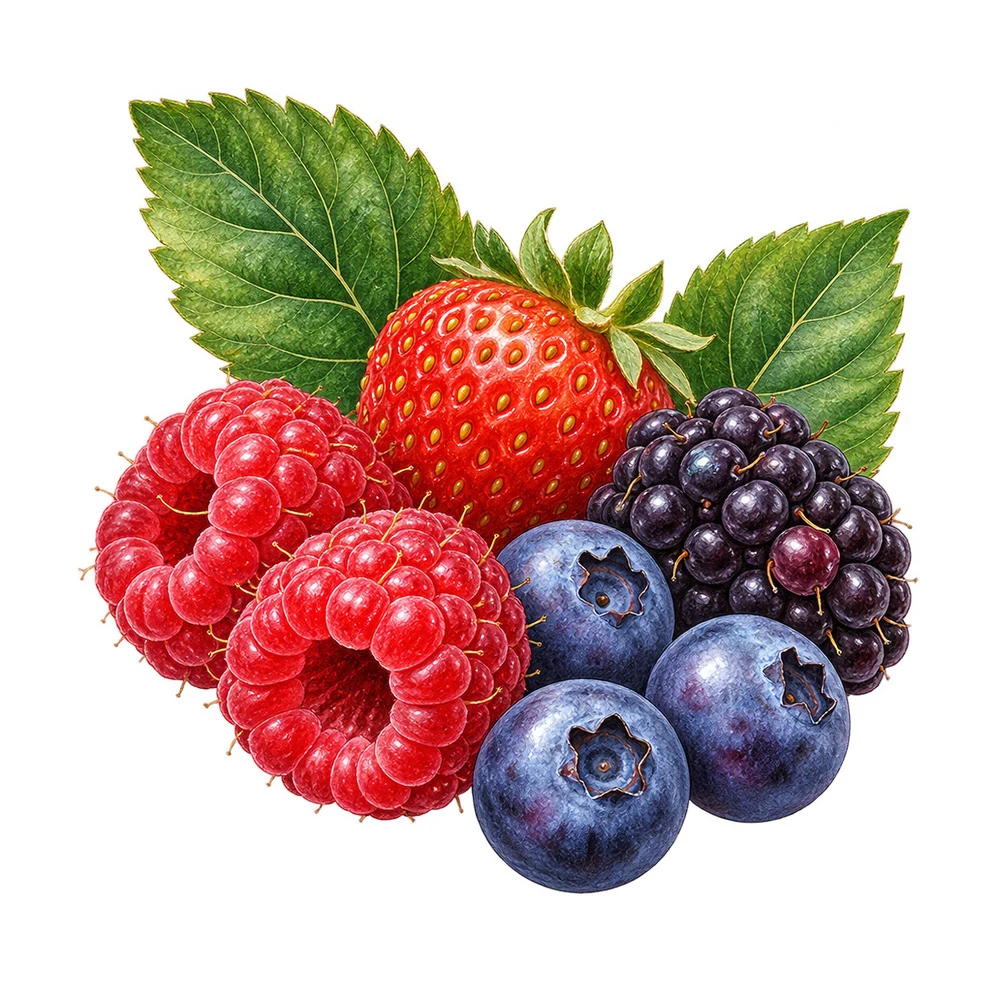
Mixed-berry flavour is a preparation that supplies berry-like aroma and taste. WONF means the named flavour is supported by other natural flavouring components.
WHY IT'S HERE
Berry aroma and flavour create a recognizable fruit character and help balance tartness or stronger ingredient notes. The benefit is a rounded, enjoyable taste, with no assumption that flavouring supplies the nutrients of whole berries.
THE SHORT VERSION
A rounded berry taste that makes each sip more enjoyable.
From the current OVERT ingredient guide. Ingredient reference information; check the current product label for inclusion, amounts, directions and warnings. Research on an ingredient does not establish the effects of a finished OVERT formula.
The flavour provides taste and aroma. DAILY's WONF description identifies a named flavour supported by other natural
flavour components. It does not establish a fruit serving, nutritional benefit or the exact composition of the supplier's
powder.
Defines natural-flavour terminology and explains with-other-natural-flavour descriptions. It supports naming the berry profile accurately, while not identifying undisclosed components, confirming a berry nutrient contribution or demonstrating the taste performance of this specific formula.
RESEARCH IN CONTEXT
Ingredient studies do not establish the effects of the finished OVERT formulas.
Forms, doses and study populations may differ. Technical sources describe identity or function.
Source links are clickable in the digital guide.
94
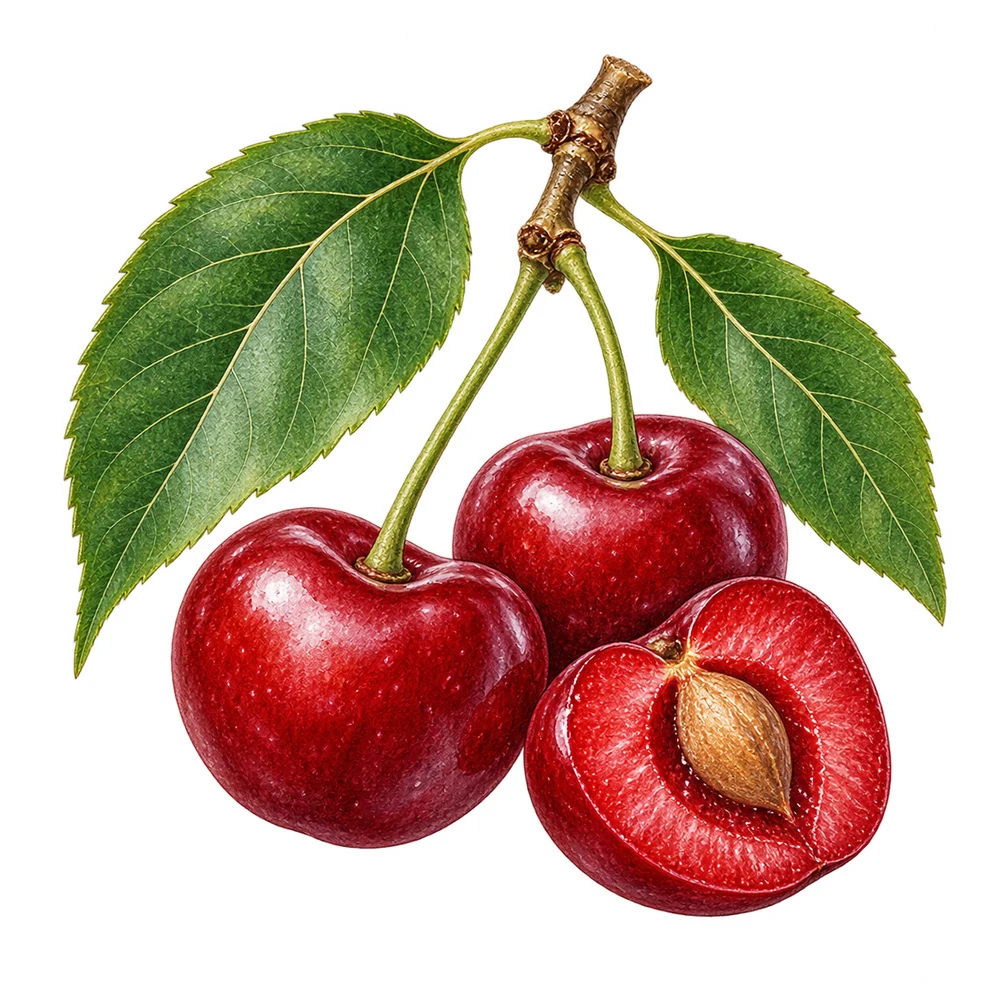
Natural tart-cherry flavour is a preparation that provides cherry aroma and tart-fruit character. It has a different role from separately dosed tart-cherry juice or concentrate.
WHY IT'S HERE
Tart-cherry flavour contributes a bright fruit aroma and a pleasantly sharp cherry note. It can balance sweetness and soften stronger ingredient tastes, creating a more rounded drink; the benefit is sensory rather than sleep-related.
THE SHORT VERSION
Adds bright cherry character and balances sweetness with a tart edge.
From the current OVERT ingredient guide. Ingredient reference information; check the current product label for inclusion, amounts, directions and warnings. Research on an ingredient does not establish the effects of a finished OVERT formula.
This is a flavour ingredient, not a separately dosed tart-cherry supplement. Studies of cherry juice or concentrates cannot
establish a sleep benefit from the flavour. The actual carrier and aroma composition depend on the selected preparation.
Distinguishes a flavouring function from a nutritional function and provides naming rules. It supports describing tart-cherry flavour as a sensory ingredient, without assuming a fruit serving, a defined melatonin contribution or benefits reported for cherry beverages.
RESEARCH IN CONTEXT
Ingredient studies do not establish the effects of the finished OVERT formulas.
Forms, doses and study populations may differ. Technical sources describe identity or function.
Source links are clickable in the digital guide.
122
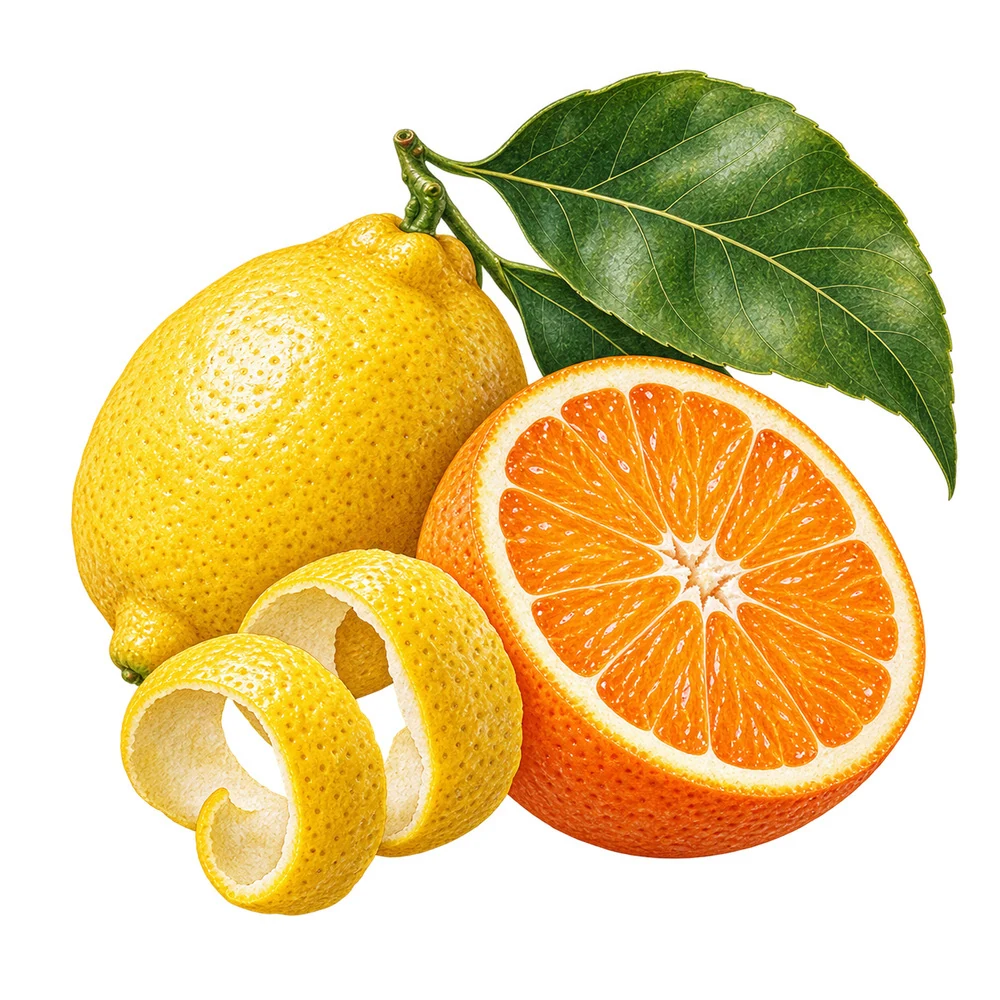
Natural citrus flavour is a preparation that supplies a recognizable citrus aroma and taste. Its precise blend of flavouring components depends on the selected preparation.
WHY IT'S HERE
Citrus flavour adds bright aroma and a fresh fruit character that can lighten a drink's overall taste. It works with tartness and sweetness to create a lively, refreshing finish, without implying a vitamin contribution.
THE SHORT VERSION
Adds citrus brightness for a fresher, more refreshing finish.
From the current OVERT ingredient guide. Ingredient reference information; check the current product label for inclusion, amounts, directions and warnings. Research on an ingredient does not establish the effects of a finished OVERT formula.
No Jet Lag DAY specifies a citrus flavour distinct from the original guide's citrus-ginger profile. A flavour description does
not imply a citrus serving, vitamin C dose or ginger inclusion. Supplier composition is needed for exact components and
carriers.
Provides the definition of natural flavour and rules for describing characterizing flavours. It supports precise citrus-flavour terminology, without determining the supplier's component blend, establishing nutritional content or proving taste or clinical performance of the finished product.
RESEARCH IN CONTEXT
Ingredient studies do not establish the effects of the finished OVERT formulas.
Forms, doses and study populations may differ. Technical sources describe identity or function.
Source links are clickable in the digital guide.
126
Citric and malic acids provide tartness. The formulas specify anhydrous citric acid; Daily also specifies DL-malic acid.
WHY IT'S HERE
These food acids add tartness and help balance sweetness, giving fruit flavours a brighter finish. They can also contribute to acidity control; the actual pH and stability depend on the complete recipe and preparation.
THE SHORT VERSION
Adds bright tartness that balances sweetness and lifts fruit flavour.
From the current OVERT ingredient guide. Ingredient reference information; check the current product label for inclusion, amounts, directions and warnings. Research on an ingredient does not establish the effects of a finished OVERT formula.
These acids are included for flavour and acidity. The references describe identity and permitted food uses; they are not
clinical trials or evidence of a medical benefit.
The regulation identifies citric acid, describes recognised production routes and specifies its food-grade requirements and conditions of use. It supports the ingredient's identity and practical role in foods; it does not substantiate a therapeutic effect.
The regulation distinguishes L-malic acid from racemic DL-malic acid and describes flavour and pH-control uses. It provides identity, specifications and use conditions, rather than evidence that adding malic acid improves health.
RESEARCH IN CONTEXT
Ingredient studies do not establish the effects of the finished OVERT formulas.
Forms, doses and study populations may differ. Technical sources describe identity or function.
Source links are clickable in the digital guide.
24
Some functional ingredients bring naturally assertive notes. This flavour component is used to keep the finished drink balanced.
WHY IT'S HERE
A bitterness modifier is intended to soften assertive bitter notes from ingredients, making the drink's flavour easier to enjoy. Its effect depends on the selected preparation and recipe; it does not remove nutrients or establish a health benefit.
THE SHORT VERSION
Helps soften bitterness and make the overall flavour more balanced.
From the current OVERT ingredient guide. Ingredient reference information; check the current product label for inclusion, amounts, directions and warnings. Research on an ingredient does not establish the effects of a finished OVERT formula.
This ingredient has a sensory role. Its complete composition is supplier-specific; these references explain flavour
functions and naming rules. They do not identify a particular blocker or demonstrate a clinical benefit from the finished
product.
Defines flavour enhancers and flavouring agents by their technical effects in food. It supports describing a modifier's sensory role, without treating a flavour function as evidence of a nutritional or medical effect.
Explains natural-flavour identity and declarations, including ingredient-origin rules. It provides terminology for the named flavour system, but does not establish the supplier's undisclosed composition or the performance of this particular dietary supplement.
RESEARCH IN CONTEXT
Ingredient studies do not establish the effects of the finished OVERT formulas.
Forms, doses and study populations may differ. Technical sources describe identity or function.
Source links are clickable in the digital guide.
30
Thaumatin is a sweet-tasting protein used in foods for sweetness and flavour modification. Its name identifies the protein, while its precise production source depends on the supplier.
WHY IT'S HERE
Thaumatin can enhance sweetness and modify lingering taste, helping round out bitter or uneven notes. Because it is intensely sweet, small quantities can make a useful sensory contribution without adding the bulk of sugar.
THE SHORT VERSION
Rounds out sweetness and helps soften unwanted taste notes.
From the current OVERT ingredient guide. Ingredient reference information; check the current product label for inclusion, amounts, directions and warnings. Research on an ingredient does not establish the effects of a finished OVERT formula.
Thaumatin has a small flavour-modifying role. The protein name alone does not establish the supplier's production
source. These records concern defined preparations and food functions; they are not evidence of a protein-serving
benefit or clinical efficacy.
Documents a specific thaumatin preparation and intended sweetening uses. The record establishes the notified material's context, not the production source of every commercial thaumatin powder or a medical benefit from its presence in a supplement.
Describes thaumatin II preparations and flavour-modification uses, distinct from providing bulk sweetness. This is relevant technical background for taste design, but does not identify OVERT's supplier or demonstrate the sensory outcome of its complete formula.
RESEARCH IN CONTEXT
Ingredient studies do not establish the effects of the finished OVERT formulas.
Forms, doses and study populations may differ. Technical sources describe identity or function.
Source links are clickable in the digital guide.
102
This is a natural flavour preparation designed to reduce perceived bitterness and enhance perceived sweetness. Its exact components depend on the selected preparation.
WHY IT'S HERE
Taste-modifying flavours are used to reduce perceived bitterness and strengthen the impression of sweetness. They can make assertive tastes easier to enjoy and help the flavour feel more balanced from first sip to finish.
THE SHORT VERSION
Softens bitterness and makes sweetness feel more balanced.
From the current OVERT ingredient guide. Ingredient reference information; check the current product label for inclusion, amounts, directions and warnings. Research on an ingredient does not establish the effects of a finished OVERT formula.
The ingredient is specified by its intended sensory function rather than a single named molecule. Its complete
composition remains supplier-specific. These references explain flavour roles and terminology; they do not establish
clinical activity or the actual performance of the selected system.
Distinguishes flavour-enhancing and flavouring functions in food. It supplies language for the system's sensory purpose, without identifying an active molecule, demonstrating a biological effect or verifying the finished formula's bitterness or sweetness profile.
Defines natural flavour and associated ingredient declarations. It supports describing a supplier-prepared flavour system accurately, while not disclosing the system's exact components or proving that its intended taste effect occurs in this particular product.
RESEARCH IN CONTEXT
Ingredient studies do not establish the effects of the finished OVERT formulas.
Forms, doses and study populations may differ. Technical sources describe identity or function.
Source links are clickable in the digital guide.
106
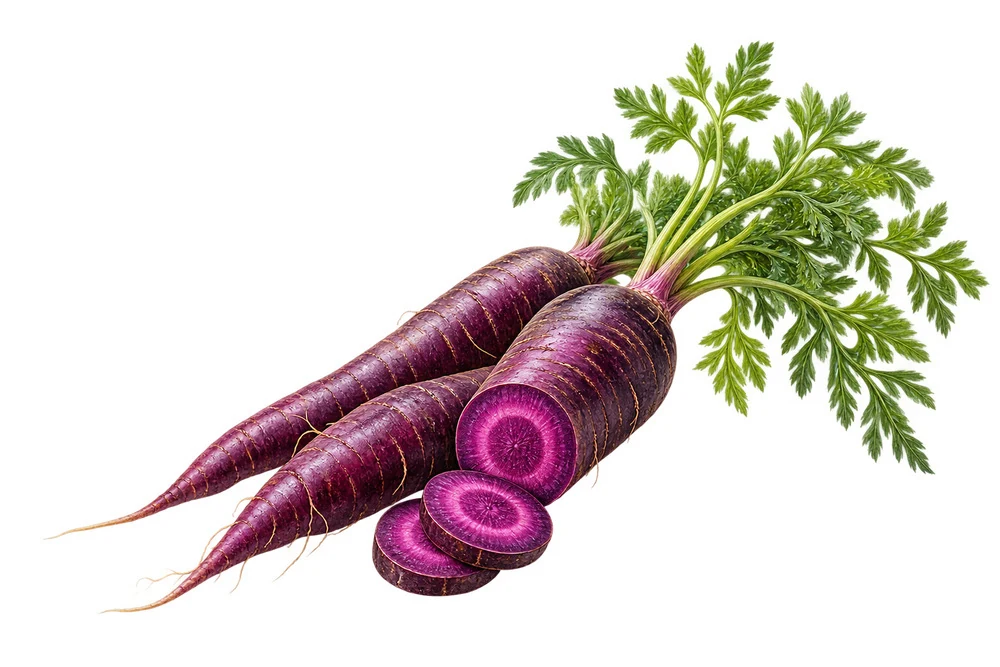
Purple-carrot juice concentrate powder contains naturally occurring anthocyanin pigments that can give foods and prepared drinks a red-violet colour.
WHY IT'S HERE
Anthocyanin pigments provide a plant-derived red-violet colour, making a prepared drink look more vivid and appealing. Their visual effect is the relevant benefit here; a colouring amount does not establish an antioxidant benefit.
THE SHORT VERSION
Adds a vivid red-violet colour from naturally occurring purple-carrot pigments.
From the current OVERT ingredient guide. Ingredient reference information; check the current product label for inclusion, amounts, directions and warnings. Research on an ingredient does not establish the effects of a finished OVERT formula.
This ingredient is included for colour. Model-beverage research can inform stability testing, but cannot establish the
shade, shelf life or antioxidant benefit of the selected powder in this complete product. A colouring quantity is not a
vegetable serving.
Describes vegetable juice used for colour, including concentrated and dried forms, with food-use conditions. It supports the juice-powder category, rather than proving the selected preparation's precise pigment content, long-term colour stability or clinical effects.
Tested anthocyanin preparations, including black-carrot pigments, under heat and light with and without ascorbic acid. The study demonstrates formulation-dependent colour degradation, not the shelf life of this particular purple-carrot powder or the complete OVERT blend.
RESEARCH IN CONTEXT
Ingredient studies do not establish the effects of the finished OVERT formulas.
Forms, doses and study populations may differ. Technical sources describe identity or function.
Source links are clickable in the digital guide.
96
Beetroot powder is a dried ingredient made from red beetroot. Its naturally occurring pigments can bring a pink-to-red colour to foods and prepared dietary supplement.
WHY IT'S HERE
Beetroot pigments give a prepared drink a naturally pink-to-red appearance. This colour can make the serving look richer and more inviting, with a familiar hue that complements a range of fruit flavours.
THE SHORT VERSION
Adds a naturally pink-red colour for a more inviting appearance.
From the current OVERT ingredient guide. Ingredient reference information; check the current product label for inclusion, amounts, directions and warnings. Research on an ingredient does not establish the effects of a finished OVERT formula.
Beetroot powder colours No Jet Lag NIGHT. Its role and amount differ from nitrate-standardized beet supplements used
in performance research. A colouring inclusion does not establish a vegetable serving, nitrate dose or clinical benefit.
Describes dehydrated beet powder and its colour use in food. It supports the named colour ingredient, without identifying a standardized nitrate content, predicting the exact finished shade or demonstrating an exercise or other medical effect.
RESEARCH IN CONTEXT
Ingredient studies do not establish the effects of the finished OVERT formulas.
Forms, doses and study populations may differ. Technical sources describe identity or function.
Source links are clickable in the digital guide.
124
Turmeric comes from the rhizome of Curcuma longa, the familiar golden-yellow spice. As a colour ingredient, its role is to contribute a yellow tone to the finished serving.
WHY IT'S HERE
Turmeric provides a warm golden-yellow colour, giving a prepared drink a brighter, more vivid appearance. Its benefit at a colouring amount is visual; it should not be equated with a concentrated curcumin supplement.
THE SHORT VERSION
Adds a warm golden colour for a brighter-looking drink.
From the current OVERT ingredient guide. Ingredient reference information; check the current product label for inclusion, amounts, directions and warnings. Research on an ingredient does not establish the effects of a finished OVERT formula.
Turmeric and beta-carotene are documented alternative colours for No Jet Lag DAY, not a direction to add both. The
turmeric role is visual; trials of concentrated curcumin supplements do not validate a small colour ingredient or this
product.
Identifies turmeric colour with the ground rhizome of Curcuma longa and sets food-use conditions. It supports the colour category, without equating it with a concentrated curcumin preparation or establishing anti-inflammatory or other clinical effects.
RESEARCH IN CONTEXT
Ingredient studies do not establish the effects of the finished OVERT formulas.
Forms, doses and study populations may differ. Technical sources describe identity or function.
Source links are clickable in the digital guide.
128
Beta-carotene is a carotenoid pigment used to give foods yellow-to-orange colour. Its name identifies the colouring compound, while the complete preparation depends on the selected supplier.
WHY IT'S HERE
Beta-carotene gives foods and drinks a yellow-to-orange hue, helping create a brighter, more inviting appearance. At the small, unspecified colouring amount, its relevant benefit is visual rather than an established vitamin A contribution.
THE SHORT VERSION
Adds a warm yellow-orange hue that complements bright fruit flavours.
From the current OVERT ingredient guide. Ingredient reference information; check the current product label for inclusion, amounts, directions and warnings. Research on an ingredient does not establish the effects of a finished OVERT formula.
Beta-carotene is an alternative to turmeric for DAY colour. The active pigment amount in the proposed colour preparation
is not established here. High-dose supplement safety findings must be kept specific to dose and population; they neither
establish risk nor prove safety at an unspecified colour exposure.
Describes beta-carotene colour and food-use conditions. It supports the pigment's identity and visual role, without identifying the supplier's carrier system, confirming an active pigment dose or making a nutritional or medical claim for the finished serving.
Among 29,133 male smokers, 20 mg beta-carotene daily for five to eight years increased lung-cancer incidence. This high-dose, long-duration population-specific finding is important safety context, but was not a test of the amount in a colour preparation.
RESEARCH IN CONTEXT
Ingredient studies do not establish the effects of the finished OVERT formulas.
Forms, doses and study populations may differ. Technical sources describe identity or function.
Source links are clickable in the digital guide.
130
Monk fruit, also called luo han guo, contains sweet compounds known as mogrosides. The extract concentrates those compounds into an ingredient useful for sweetness in small amounts.
WHY IT'S HERE
Mogrosides give strong sweetness in small quantities, helping soften sour or bitter tastes without needing the bulk of table sugar. The useful benefit is a more balanced flavour and a pleasantly sweet finish.
THE SHORT VERSION
Adds concentrated sweetness to balance tartness and improve the drinking experience.
From the current OVERT ingredient guide. Ingredient reference information; check the current product label for inclusion, amounts, directions and warnings. Research on an ingredient does not establish the effects of a finished OVERT formula.
Monk fruit is included for sweetness. Different extracts and carrier preparations can have different mogroside
concentrations. These records explain identity and intended use; they do not substantiate an antioxidant, metabolic or
recovery benefit from the sweetening amount.
Records the notified monk-fruit extract and its intended general sweetener uses. FDA's no-questions response concerns the notifier's specified conditions; it is not approval of every extract preparation or evidence that sweetening doses improve health.
Describes monk-fruit juice concentrate and compares mogroside concentrations across extract preparations. It helps distinguish juice, concentrated extract and a tabletop blend, without establishing that a particular supplier grade is the one used in OVERT.
RESEARCH IN CONTEXT
Ingredient studies do not establish the effects of the finished OVERT formulas.
Forms, doses and study populations may differ. Technical sources describe identity or function.
Source links are clickable in the digital guide.
98
Steviol glycosides are sweet-tasting compounds found in stevia leaves. Commercial production methods vary by ingredient.
WHY IT'S HERE
Steviol glycosides provide intense sweetness in very small amounts, helping balance acidity without the bulk of sugar. Their sensory role can support a lower-sugar recipe, but does not establish a metabolic or blood-sugar benefit.
THE SHORT VERSION
Balances tartness with concentrated sweetness in very small amounts.
From the current OVERT ingredient guide. Ingredient reference information; check the current product label for inclusion, amounts, directions and warnings. Research on an ingredient does not establish the effects of a finished OVERT formula.
High-purity steviol glycosides are distinct from whole stevia leaf or crude extracts. Evidence for one purified glycoside
should not be treated as proof for every preparation or a health benefit.
FDA describes high-purity steviol glycosides as intense sweeteners and summarises its review of GRAS notices for specified preparations. The information concerns ingredient identity and intended food uses; it is not blanket approval of every stevia-derived material.
A 16-week trial compared 1,000 mg rebaudioside A daily with placebo in 122 adults with type 2 diabetes. Glucose-related outcomes and blood pressure did not differ significantly, providing tolerability context rather than evidence of diabetes treatment.
RESEARCH IN CONTEXT
Ingredient studies do not establish the effects of the finished OVERT formulas.
Forms, doses and study populations may differ. Technical sources describe identity or function.
Source links are clickable in the digital guide.
28
Rebaudioside M, usually shortened to Reb-M, is a sweet-tasting member of the steviol-glycoside family. Naming it precisely distinguishes the selected compound from the broader label stevia.
WHY IT'S HERE
Reb-M provides intense sweetness in small quantities, helping balance sourness and make a drink more enjoyable without the bulk of sugar. Its role is sensory: a sweet finishing note that rounds out the overall taste.
THE SHORT VERSION
Adds sweetness to help balance tart or bitter tastes.
From the current OVERT ingredient guide. Ingredient reference information; check the current product label for inclusion, amounts, directions and warnings. Research on an ingredient does not establish the effects of a finished OVERT formula.
Reb-M identifies a specific steviol glycoside. Commercial preparations can use different production routes, and the name
does not alone prove leaf extraction or a particular purity. These references concern sweetness and ingredient identity,
without a recovery or metabolic claim.
Explains high-intensity sweeteners, including purified steviol glycosides and different production approaches. It supports distinguishing a specified glycoside from the broad word stevia, without establishing the identity or purity of an undisclosed supplier's particular preparation.
Records an enzyme-produced Reb-M preparation and its intended sweetener use. It illustrates why production route is a separate specification; the notice does not establish that OVERT uses this grade or provide evidence of a clinical benefit.
RESEARCH IN CONTEXT
Ingredient studies do not establish the effects of the finished OVERT formulas.
Forms, doses and study populations may differ. Technical sources describe identity or function.
Source links are clickable in the digital guide.
104
Allulose is a rare sugar found naturally in small amounts in foods such as figs and raisins.
WHY IT'S HERE
Allulose provides sweetness and body with substantially less energy than table sugar. Its main value is sensory: when replacing sugar, it can reduce the sugar and calorie contribution without establishing a weight-management or metabolic benefit.
THE SHORT VERSION
Adds sweetness and body with fewer calories than sugar.
From the current OVERT ingredient guide. Ingredient reference information; check the current product label for inclusion, amounts, directions and warnings. Research on an ingredient does not establish the effects of a finished OVERT formula.
Allulose is included here for sweetness and body. Research at specified gram-level intakes does not justify a
weight-management or metabolic claim for an unspecified amount in OVERT.
FDA's guidance discusses allulose's distinct metabolism and labelling treatment, including its 0.4 kcal-per-gram factor and exclusion from declared total and added sugars under enforcement discretion. It is labelling guidance, not an endorsement of a particular product.
A preliminary trial studied 8 or 14 g allulose daily in overweight adults and reported changes in certain body-fat measures. The authors called for further validation; its doses and outcomes should not be extrapolated to this formula.
RESEARCH IN CONTEXT
Ingredient studies do not establish the effects of the finished OVERT formulas.
Forms, doses and study populations may differ. Technical sources describe identity or function.
Source links are clickable in the digital guide.
22
Erythritol is a sugar alcohol, also called a polyol, used to provide sweetness and bulk in food. The chemical name does not mean beverage alcohol.
WHY IT'S HERE
Erythritol supplies sweetness and bulk with very little usable energy. Its crystalline body provides a larger powder base for handling concentrated ingredients and shaping the texture and sweetness of food and drinks.
THE SHORT VERSION
Adds sweetness, bulk and body with very few calories.
From the current OVERT ingredient guide. Ingredient reference information; check the current product label for inclusion, amounts, directions and warnings. Research on an ingredient does not establish the effects of a finished OVERT formula.
Erythritol provides bulk and sweetness. Its permitted-use history and a small platelet study answer different questions.
The acute 30 g experiment did not determine cardiovascular-event risk at this serving, and a lower exposure is not proof
of zero risk.
RESEARCH IN CONTEXT
Ingredient studies do not establish the effects of the finished OVERT formulas.
Forms, doses and study populations may differ. Technical sources describe identity or function.
Source links are clickable in the digital guide.
84
Glucose is a carbohydrate found naturally in many foods.
WHY IT'S HERE
Glucose provides digestible carbohydrate that the body can use for energy, while adding sweetness and body. Its practical value depends on the amount used; sharing glucose with oral rehydration formulas does not make a drink medically equivalent.
THE SHORT VERSION
Provides carbohydrate energy while adding sweetness and body.
From the current OVERT ingredient guide. Ingredient reference information; check the current product label for inclusion, amounts, directions and warnings. Research on an ingredient does not establish the effects of a finished OVERT formula.
Glucose is a carbohydrate and a component of established clinical oral rehydration solutions. Those solutions have
defined compositions and medical uses. Sharing one ingredient does not make this supplement equivalent to ORS or
prove a hangover benefit.
RESEARCH IN CONTEXT
Ingredient studies do not establish the effects of the finished OVERT formulas.
Forms, doses and study populations may differ. Technical sources describe identity or function.
Source links are clickable in the digital guide.
36
Mannitol is a polyol used in foods and ingredient preparations. In DAILY, it carries several micronutrients within pre-diluted powders, helping make small amounts easier to handle.
WHY IT'S HERE
Mannitol provides bulk and mild sweetness. As a carrier, it gives very small quantities of micronutrients a larger, more manageable powder base, helping with handling and distribution during ingredient preparation.
THE SHORT VERSION
Adds mild sweetness and helps distribute tiny ingredient quantities.
From the current OVERT ingredient guide. Ingredient reference information; check the current product label for inclusion, amounts, directions and warnings. Research on an ingredient does not establish the effects of a finished OVERT formula.
Mannitol is a carrier within several micronutrient preparations. Its role here concerns distribution and powder handling.
This technical reference does not establish that the carrier improves nutrient absorption or provides an additional health
effect.
Describes mannitol's chemical identity, production routes and permitted food-use conditions, including digestive-tolerance labeling provisions. It provides context for the named polyol carrier, without demonstrating performance or medical benefit at the quantity present in a vitamin preparation.
RESEARCH IN CONTEXT
Ingredient studies do not establish the effects of the finished OVERT formulas.
Forms, doses and study populations may differ. Technical sources describe identity or function.
Source links are clickable in the digital guide.
86
Acacia gum, also known as gum arabic, is a plant gum obtained from Acacia trees. It has useful physical roles in food, including carrying and stabilizing other ingredients.
WHY IT'S HERE
Acacia gum helps carry and disperse other ingredients and can stabilize food systems. These physical properties make it useful in prepared powders; an unspecified carrier amount does not establish the benefits studied with larger fibre servings.
THE SHORT VERSION
Helps carry, disperse and stabilize ingredients.
From the current OVERT ingredient guide. Ingredient reference information; check the current product label for inclusion, amounts, directions and warnings. Research on an ingredient does not establish the effects of a finished OVERT formula.
Acacia enters through DAILY's vitamin D3 preparation. Its carrier contribution is not a separately established fibre dose.
Clinical research at gram quantities cannot substantiate a prebiotic claim for an unspecified small amount inside another
ingredient.
OFFICIAL BOTANICAL IDENTITY AND TECHNICAL-USE SPECIFICATION
Defines acacia gum as dried exudate from Acacia trees and describes recognized technical food functions. It supports ingredient identity and carrier terminology, rather than a claim about gut health or the finished vitamin preparation's stability.
Healthy volunteers consumed gram-level daily acacia doses, including 5, 10, 20 and 40 g, for four weeks. Changes in selected intestinal bacteria were measured. The study does not establish benefit from an unspecified micronutrient-carrier quantity.
RESEARCH IN CONTEXT
Ingredient studies do not establish the effects of the finished OVERT formulas.
Forms, doses and study populations may differ. Technical sources describe identity or function.
Source links are clickable in the digital guide.
88
Starch is a plant-derived carbohydrate used in many food and ingredient systems. Here, it is a component of the supplied vitamin D3 powder in DAILY.
WHY IT'S HERE
Starch provides a dry carbohydrate base for carrying small quantities of other ingredients. It can help build usable powder preparations, but properties differ by source and processing; the name alone does not establish resistant-starch benefits.
THE SHORT VERSION
Helps distribute small ingredient quantities in a workable powder.
From the current OVERT ingredient guide. Ingredient reference information; check the current product label for inclusion, amounts, directions and warnings. Research on an ingredient does not establish the effects of a finished OVERT formula.
Starch supports the prepared vitamin D3 ingredient. The word starch does not identify its source plant or establish a
resistant-starch or fibre benefit.
RESEARCH IN CONTEXT
Ingredient studies do not establish the effects of the finished OVERT formulas.
Forms, doses and study populations may differ. Technical sources describe identity or function.
Source links are clickable in the digital guide.
90
Maltodextrin is a starch-derived carbohydrate powder used in dry ingredient systems. It provides a practical material through which small quantities of other ingredients can be distributed.
WHY IT'S HERE
Maltodextrin provides a dispersible carbohydrate base for carrying small quantities of other ingredients. Its practical value is easier ingredient handling and blending; any effect on body or mouthfeel depends on the amount used.
THE SHORT VERSION
Helps carry small ingredient quantities and make powders easier to handle.
From the current OVERT ingredient guide. Ingredient reference information; check the current product label for inclusion, amounts, directions and warnings. Research on an ingredient does not establish the effects of a finished OVERT formula.
Maltodextrin is a carrier in No Jet Lag formulas, including the melatonin premix and NMN-free EU Night variant. Its
source plant depends on the selected preparation.
Defines maltodextrin as a starch-derived glucose polymer with a specified dextrose-equivalent range. It supports the carrier's identity and distinguishes it from intact starch, while not determining which crop or supplier preparation is used in this blend.
RESEARCH IN CONTEXT
Ingredient studies do not establish the effects of the finished OVERT formulas.
Forms, doses and study populations may differ. Technical sources describe identity or function.
Source links are clickable in the digital guide.
132
Xanthan gum is a fermentation-derived ingredient used in very small amounts for texture.
WHY IT'S HERE
Xanthan gum thickens water and can help keep suspended ingredients distributed, giving a drink a more cohesive texture and mouthfeel. The result depends on concentration and mixing; a small textural amount does not establish a meaningful fibre benefit.
THE SHORT VERSION
Helps create a smoother texture and keep ingredients suspended.
From the current OVERT ingredient guide. Ingredient reference information; check the current product label for inclusion, amounts, directions and warnings. Research on an ingredient does not establish the effects of a finished OVERT formula.
Xanthan is included for texture and physical stability. Food-additive specifications and safety assessments are relevant to
that role; they are not clinical evidence that a small thickening amount improves health or recovery.
Identifies xanthan as a fermentation-produced polysaccharide and sets specifications and conditions for its food uses. This is a technical identity reference for the texture ingredient, rather than a trial of clinical benefit.
Assessed exposure, toxicology and human tolerance of xanthan. The review found no need for a numerical acceptable daily intake under evaluated uses; some high-intake studies reported abdominal discomfort. This does not establish efficacy for this blend.
RESEARCH IN CONTEXT
Ingredient studies do not establish the effects of the finished OVERT formulas.
Forms, doses and study populations may differ. Technical sources describe identity or function.
Source links are clickable in the digital guide.
32
Pectin is a plant polysaccharide commonly obtained from citrus peel. The low-methoxyl form has structural features that affect how it thickens and interacts with minerals.
WHY IT'S HERE
Pectin binds water and can add gentle body, helping a mixed drink feel smoother and more cohesive. Its texture effect depends on concentration, acidity and minerals; this role is distinct from higher-dose dietary-fibre benefits.
THE SHORT VERSION
Helps give a mixed drink smoother texture and more body.
From the current OVERT ingredient guide. Ingredient reference information; check the current product label for inclusion, amounts, directions and warnings. Research on an ingredient does not establish the effects of a finished OVERT formula.
The pectin is included for texture and dispersion. Its physical behaviour depends on pectin type, concentration, acidity
and mineral conditions. Technical studies do not establish that this amount provides a dietary-fibre benefit or performs
identically in the finished serving.
OFFICIAL INGREDIENT IDENTITY AND FORM SPECIFICATION
Defines pectins and recognizes different esterification forms and plant sources, including citrus peel. It supports the identity of a low-methoxyl citrus preparation, while not verifying its dispersibility or the finished drink's physical stability.
Mapped low-methoxy pectin gelation under different calcium levels, temperatures and pectin concentrations. It demonstrates why mineral conditions affect physical behaviour, without predicting gel formation, texture or mixing performance at the concentration used in OVERT.
RESEARCH IN CONTEXT
Ingredient studies do not establish the effects of the finished OVERT formulas.
Forms, doses and study populations may differ. Technical sources describe identity or function.
Source links are clickable in the digital guide.
100
Silicon dioxide is an anticaking agent commonly used in powdered foods and supplements.
WHY IT'S HERE
Silicon dioxide helps reduce caking and keeps dry powders flowing more freely, making portioning and dispensing easier. Its role is physical powder handling; it does not make every ingredient dissolve or provide a demonstrated health benefit.
THE SHORT VERSION
Helps reduce caking and keep dry powder flowing freely.
From the current OVERT ingredient guide. Ingredient reference information; check the current product label for inclusion, amounts, directions and warnings. Research on an ingredient does not establish the effects of a finished OVERT formula.
Food-grade silicon dioxide is a powder-handling ingredient. These sources address its anticaking role and the assessed
food-additive material. They do not substantiate a health benefit, a product-specific purity claim or third-party certification.
Describes silicon dioxide's permitted anticaking use and the requirement to use only the amount needed for its effect. It supports the flow-agent description, while leaving actual powder performance and composition to product-specific verification.
Updated the assessment of synthetic amorphous silica, including particle-related uncertainties. EFSA concluded that evaluated uses and exposure levels did not raise a safety concern, while recommending specification changes and acknowledging remaining data limitations.
RESEARCH IN CONTEXT
Ingredient studies do not establish the effects of the finished OVERT formulas.
Forms, doses and study populations may differ. Technical sources describe identity or function.
Source links are clickable in the digital guide.
34
A flavour and processing system brings together flavour notes, food acids and practical powder-handling ingredients.
WHY IT'S HERE
Flavours create aroma and taste, while food acids add tartness and help control acidity. Powder-handling aids can limit clumping, giving these ingredients practical roles in how a drink tastes and how its powders behave.
THE SHORT VERSION
Improves flavour, tartness and practical powder handling.
From the current OVERT ingredient guide. Ingredient reference information; check the current product label for inclusion, amounts, directions and warnings. Research on an ingredient does not establish the effects of a finished OVERT formula.
This page describes a flavour and formulation system, rather than one clinical active. The references address ingredient
identity and practical food functions. Taste, mixing and stability of the actual blend require product-specific evaluation;
these sources do not certify them.
RESEARCH IN CONTEXT
Ingredient studies do not establish the effects of the finished OVERT formulas.
Forms, doses and study populations may differ. Technical sources describe identity or function.
Source links are clickable in the digital guide.
54
The ingredients in your specific product will be different. Please consult the label on the actual product for the ingredients contained. The ingredients listed above are a reference to give you more information about the specific ingredients contained in your product.